


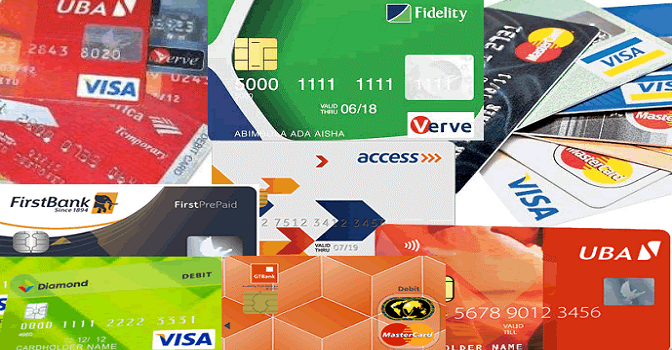
After nearly three years of suspension, three major Nigerian banks—United Bank for Africa (UBA), Wema Bank, and Guaranty Trust Bank (GTB)—have resumed international transactions on their naira debit cards.
This move marks a significant shift in the banking sector, which had previously suspended global transactions due to severe scarcity in foreign exchange (FX).
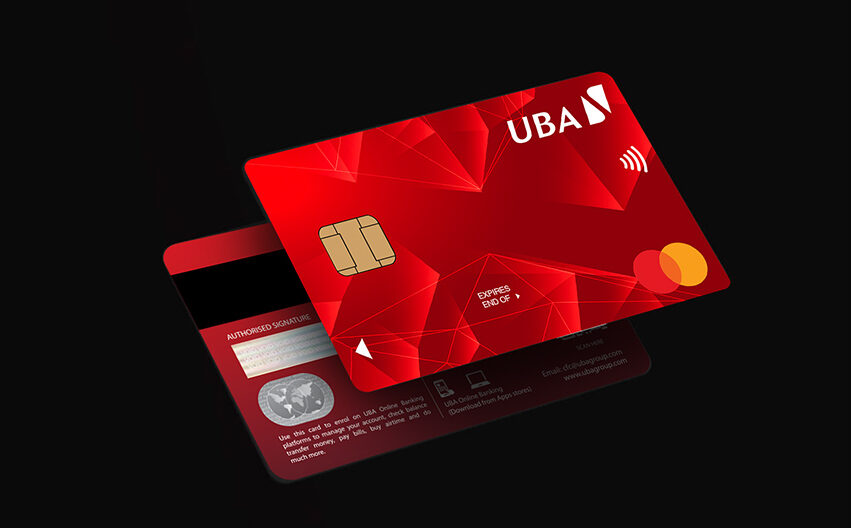
In a message to customers, UBA stated that its Premium Naira Cards—including Gold, Platinum, and World variants—are now re-enabled for global payments. “You can now use your card for online shopping, POS, and ATM transactions across the world,” the bank announced, highlighting its commitment to improving banking convenience.
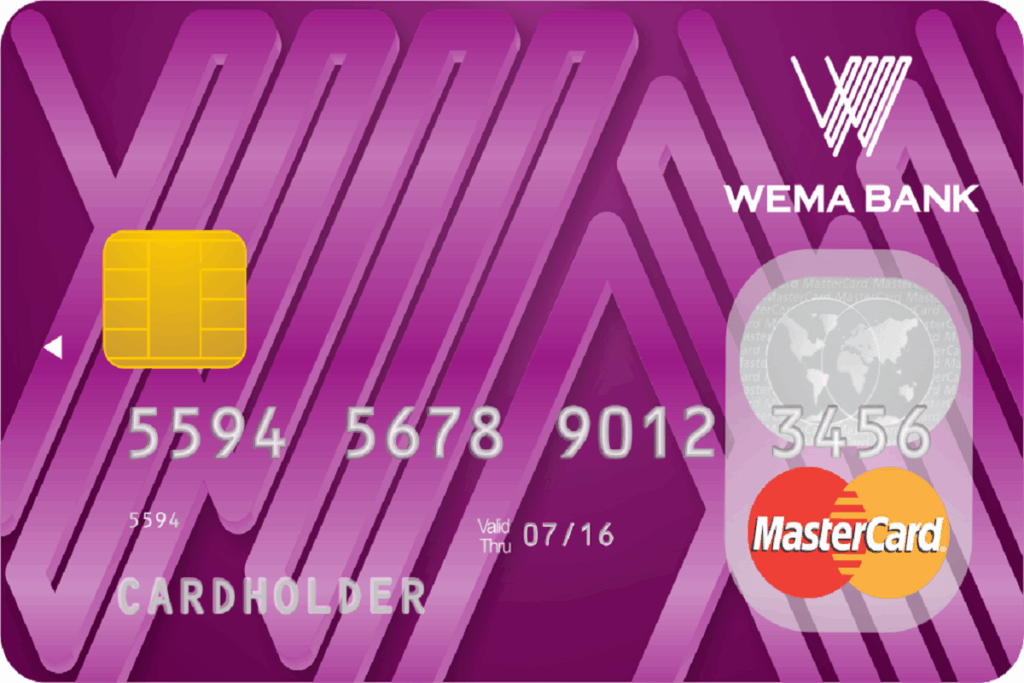
Similarly, Wema Bank said its naira Mastercard can now be used to make dollar payments on international platforms like Amazon, Netflix, and YouTube. “Your Wema Naira Mastercard just went global!” the bank declared in a promotional message.
- VIDEO: Woman Claiming to Be Chris Okafor’s Former Wife Makes Explosive Allegations
- I will not be vice-president to anybody ~ Peter Obi
- Israel recognises Somaliland as sovereign state
- 70-year-old Indian woman gives birth to her first child
- Ghanaian Prophet, Eboh Noah, Builds 8 Arks, Reveals God Has Warned Him That The World Will End On Christmas Day ~ Not By Fire, But By Another Global Flood.
- VIDEO: Pregnant wife bursts into tears as husband refuses to go beg neighbour Jollof rice
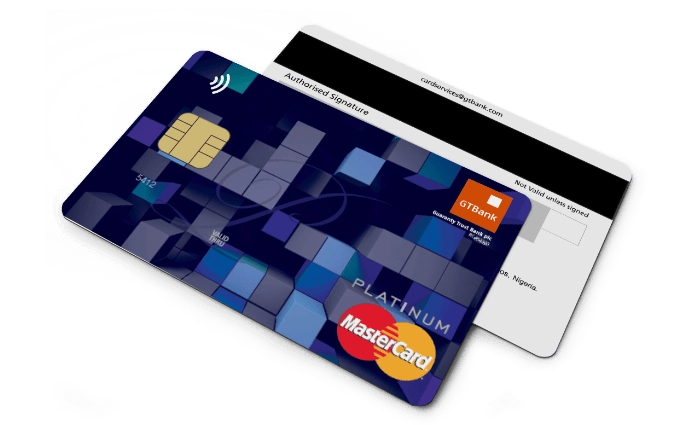
GTBank, in an email to customers, announced a quarterly spending limit of $1,000 on its naira cards. Of this, ATM withdrawals abroad are capped at $500, while online and POS payments can go up to $1,000 in total. “This applies to all international transactions, including purchases and cash withdrawals,” GTB clarified.
Why Banks Are Reversing the Ban
Experts attribute the reversal to recent improvements in Nigeria’s FX market. Ayokunle Olubunmi of Agusto & Co. noted that better FX liquidity and a reduced premium between official and black market rates made the move possible.
Charles Sanni, CEO of Cowry Treasurers, added that factors like high interest rates, an appreciating naira, increased diaspora remittances, and a more stable FX environment under the Central Bank of Nigeria’s new policies contributed to renewed confidence.
He also pointed to other positive indicators such as rising oil prices, improved credit ratings, the clearing of FX backlogs, and strengthened bank capitalization.
Previously, banks like Zenith, First Bank, and Standard Chartered had halted international card usage due to dollar shortages that strained the economy. Fintech platforms such as Flutterwave and Eversend also suspended virtual dollar card services during the crisis.
With these developments, Nigerians can once again use their naira cards for global transactions—a sign of recovery and renewed optimism in the financial system.