

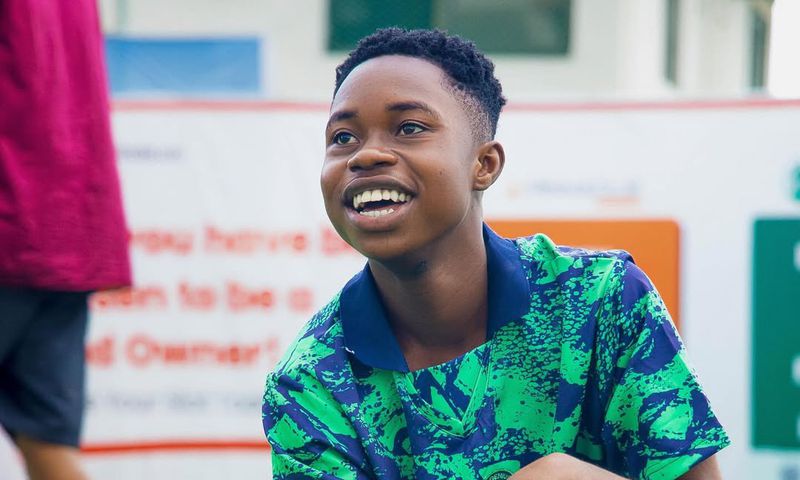
Popular Nigerian streamer and content creator Peller has finally broken his silence on the recent ban of TikTok live streaming in Nigeria, sparking excitement and debate across social media. Fans have eagerly awaited his reaction, and his statement did not disappoint.In an emotional and candid video shared on multiple platforms, Peller expressed his frustration at the ban, describing it as a huge setback for creators who rely on the platform for income, engagement, and global reach. He explained that TikTok live has been a crucial avenue for entertainers, streamers, and even small business owners to connect with their audiences in real time.Peller emphasized the impact on livelihoods, noting that many young Nigerians have built careers and businesses around TikTok live streaming.
“This is more than entertainment—it’s income, growth, and exposure,” he said, highlighting the ban’s ripple effects on Nigeria’s burgeoning digital economy.He also criticized the sudden nature of the ban, suggesting that creators were left in the dark without adequate warning or guidance. For Peller, the move not only disrupts content creation but also challenges the trust between platforms, users, and regulators.Despite his disappointment, Peller remained optimistic. He encouraged fellow creators to explore alternative platforms, diversify their online presence, and keep producing engaging content, assuring fans that the spirit of Nigerian creativity cannot be silenced by a single decision.Fans quickly flooded social media with reactions to Peller’s statement, showing overwhelming support. Many echoed his frustrations, arguing that the ban disproportionately affects young creators who have turned digital entertainment into a career path.
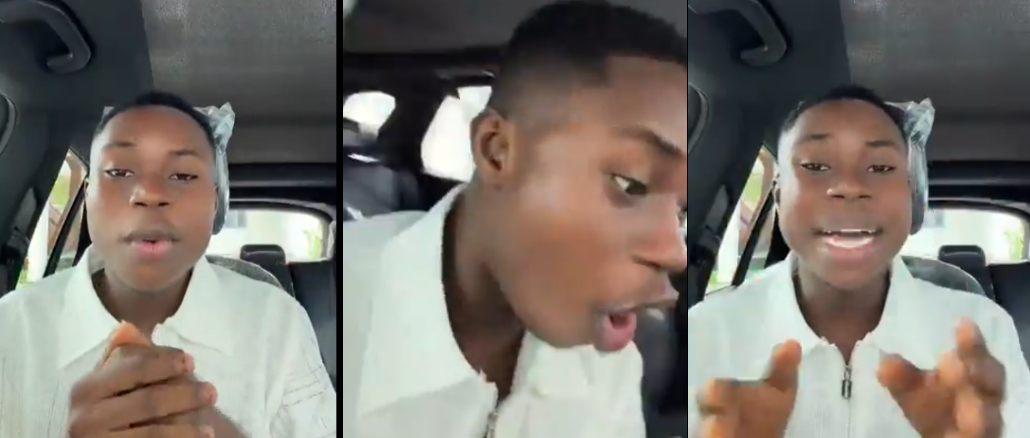
Hashtags in support of Peller and TikTok creators have been trending since his video dropped.Industry experts weighed in, noting that the ban reflects broader tensions between regulators and tech platforms in Nigeria, but also highlighting that influential voices like Peller can shape public discourse and influence policy reconsideration.Peller also hinted at possible collaborations and strategic pivots. He encouraged Nigerian creators to unite, explore cross-platform streaming opportunities, and advocate for more inclusive policies that recognize the economic and cultural value of digital content creation.While the government cited regulatory concerns for the ban, Peller’s response underscores the human and economic side of the issue, reminding authorities that millions of Nigerians depend on these platforms for growth, networking, and income.As the controversy unfolds, fans and fellow creators are watching closely. Peller’s reaction has ignited conversations not only about the TikTok ban but also about the future of digital content creation in Nigeria, leaving many wondering what comes next for the country’s creative community.