


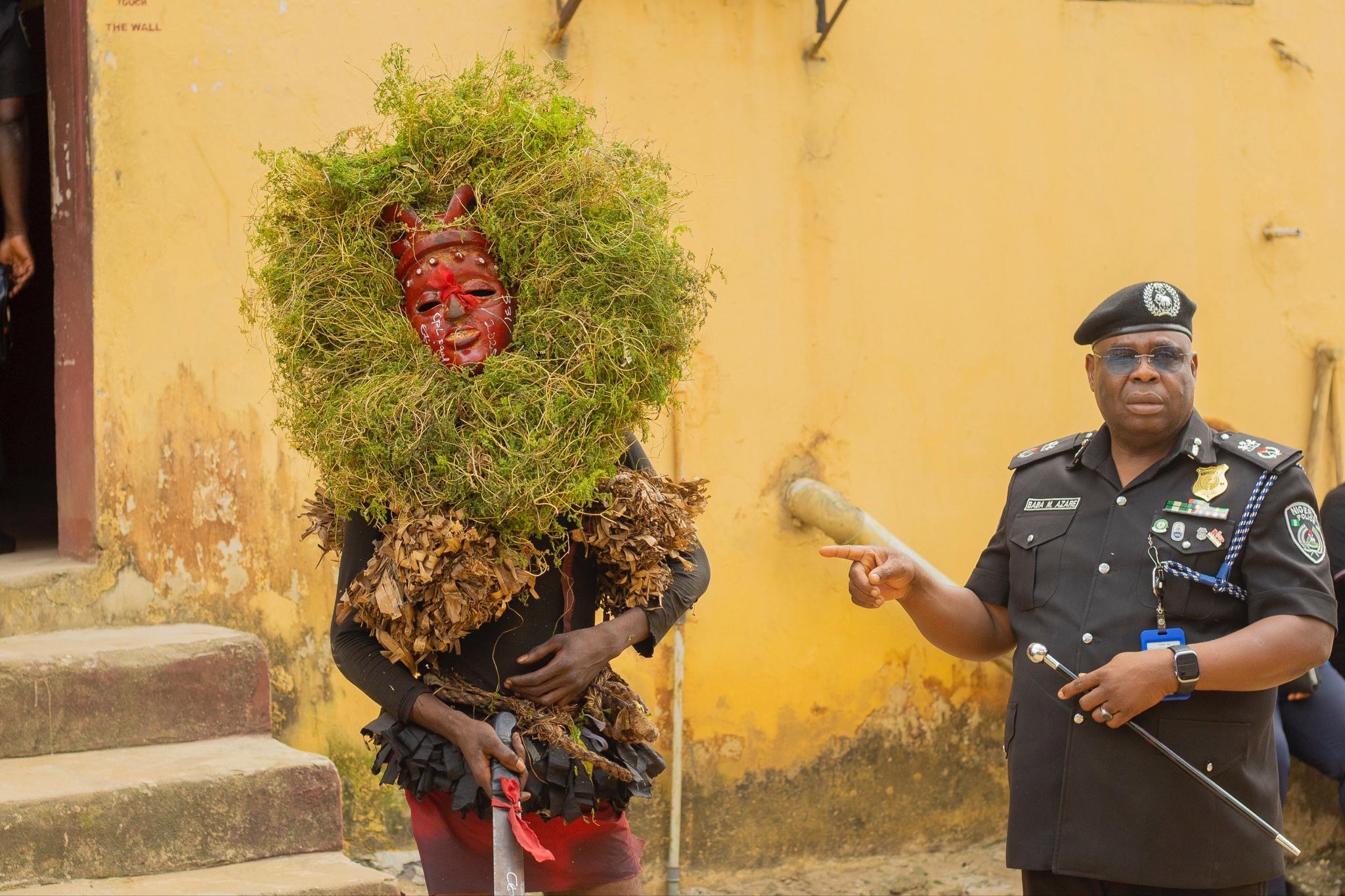
The recent controversy surrounding the supposed “ban” of the Ekpo masquerade in Akwa Ibom has sparked a wave of anger, confusion and fierce debate, placing tradition, religion and security in a tense standoff. What started as a move aimed at restoring public order has now grown into a national conversation about identity, cultural survival and the limits of state power.At the centre of the argument is a simple but explosive question: when does protecting citizens cross the line into cultural erasure? Many observers agree that criminal elements hiding behind the Ekpo masquerade tradition must be stopped, but they strongly reject the idea of blanket restrictions that treat an entire cultural institution as a criminal enterprise.
Supporters of targeted enforcement argue that when criminals hijack culture, the state has a clear duty to intervene. In their view, heritage should never be used as cover for violence, intimidation or lawlessness, and offenders must be identified, exposed and punished without mercy.However, critics warn that sweeping bans — real or perceived — risk fueling religious and cultural tension. They argue that masking such actions under the language of “law and order” creates suspicion that a deeper religious or moral agenda is being pursued behind the scenes.The Ekpo masquerade for many communities is more than just a ritual performance. It represents ancestral authority, identity, and social order, handed down through generations. Any move seen as hostile to it is interpreted not only as a legal decision, but as an attack on cultural heritage.This is where the danger lies. When security measures appear to replace nuance with force, society risks criminalising tradition instead of isolating criminals. The real challenge, according to analysts, is separating sacred culture from unlawful behaviour — not destroying both in the same sweep.
Akpandem James’ opinion highlights a critical balance that authorities must strike: protect citizens without weaponising law enforcement against culture. Punishment, he argues, should be specific, evidence-based and focused — not broad, symbolic and politically convenient.The situation in Akwa Ibom has revealed how fragile the relationship between tradition and the modern state can be. What should have been a straightforward security response has now become a battle over identity, freedom of expression and cultural respect.
As debate continues, one thing is becoming increasingly clear: Nigerians are no longer just asking whether people should be protected, but how far the government can go without eroding the soul of the society it claims to defend.