

The Lagos State Government has disclosed that an estimated 160,000 residents are currently living with HIV, according to new data released ahead of World AIDS Day 2025.
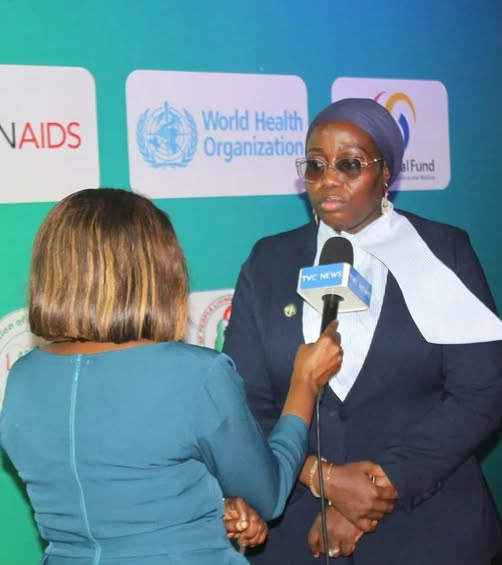
The Lagos State AIDS Control Agency (LSACA) shared the figures during a press briefing on Thursday at Alausa, Ikeja. Presenting the report, LSACA’s Chief Executive Officer, Dr. Folakemi Animashaun, said the numbers reflect estimates recorded between January and September 2025.
“As of January to September 2025, Lagos State currently has an estimated 160,000 residents living with HIV, of whom 147,466 persons are on antiretroviral treatment,” she said.
Animashaun commended Governor Babajide Sanwo-Olu’s administration for providing support that strengthens health systems and community networks across the state. She added that the theme for this year’s commemoration, “Overcoming Disruptions: Sustaining Nigeria’s HIV Response,” reflects the challenges Lagos has faced—especially after the Stop Work Order issued by the United States Government disrupted HIV intervention programmes at the grassroots.
Earlier this year, The PUNCH reported that the U.S. Government terminated its agreement with UNAIDS following President Donald Trump’s Executive Order titled “Reevaluating and Realigning U.S. Foreign Aid,” which imposed a 90-day freeze on all foreign assistance. According to Animashaun, the order slowed down HIV testing, counselling, and psychosocial support, particularly affecting vulnerable groups.
- VIDEO: Woman Claiming to Be Chris Okafor’s Former Wife Makes Explosive Allegations
- I will not be vice-president to anybody ~ Peter Obi
- Israel recognises Somaliland as sovereign state
- 70-year-old Indian woman gives birth to her first child
- Ghanaian Prophet, Eboh Noah, Builds 8 Arks, Reveals God Has Warned Him That The World Will End On Christmas Day ~ Not By Fire, But By Another Global Flood.
During the January–September reporting period, Lagos conducted 222,415 HIV tests—representing only 28.9% of last year’s testing output—underscoring the impact of the disruptions. Animashaun stressed that the decline highlights the urgency of sustaining early testing, community engagement, and support services.
Despite the setbacks, she praised community groups for adapting quickly and helping the state regain momentum in its response efforts. She noted that the ongoing Statewide Community HIV Testing Campaign, which began on November 18, has tested 9,943 residents with a 2% positivity rate, and all identified cases have been linked to care.
She added that women have shown strong participation—especially in Ikorodu, Badagry, Ojo, and Mushin—reflecting the success of market-based and community-cluster testing strategies. HIV-positive cases were recorded across multiple LGAs, which she said confirms the virus remains a major public health concern in Lagos.
Animashaun also highlighted the state’s intensified anti-stigma campaign and announced activities lined up for World AIDS Day, including a Jumat service, football novelty match, church outreach, awareness walk, and a stakeholder symposium.
Calling for collective action, she concluded, “Together, we can sustain the HIV response for a healthier, stronger Lagos.”