

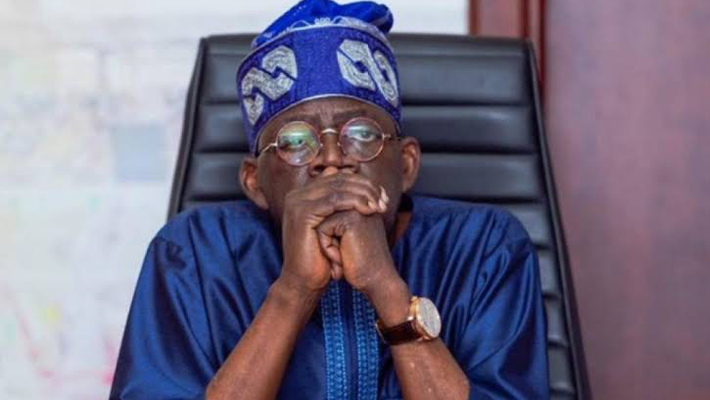
President Bola Tinubu has cancelled his planned nationwide broadcast to mark Nigeria’s 26th Democracy Day on June 12. Instead, he will deliver his address directly during a joint session of the National Assembly.
The change was announced on Wednesday by Segun Imohiosen, Director of Information and Public Relations at the Office of the Secretary to the Government of the Federation (OSGF). Imohiosen explained that Tinubu’s presence in the National Assembly necessitated the switch.
“Due to President Bola Ahmed Tinubu’s scheduled attendance at the National Assembly Joint Session, the Presidential National Broadcast on June 12 has been cancelled. President Tinubu will deliver his address from the National Assembly,” the statement read.
- VIDEO: Woman Claiming to Be Chris Okafor’s Former Wife Makes Explosive Allegations
- I will not be vice-president to anybody ~ Peter Obi
- Israel recognises Somaliland as sovereign state
- 70-year-old Indian woman gives birth to her first child
- Ghanaian Prophet, Eboh Noah, Builds 8 Arks, Reveals God Has Warned Him That The World Will End On Christmas Day ~ Not By Fire, But By Another Global Flood.
- VIDEO: Pregnant wife bursts into tears as husband refuses to go beg neighbour Jollof rice
Other planned Democracy Day activities—including a public lecture and security briefings—will proceed as scheduled. Earlier notices also confirmed the cancellation of the traditional military parade, which usually accompanies the June 12 celebrations, though no official reason was provided.
This year’s Democracy Day theme is “Consolidating on the Gains of Nigeria’s Democracy: Necessity of Enduring Reforms,” signaling the administration’s commitment to structural change.
Heightened security has been reported around the National Assembly ahead of the President’s address, with increased presence of personnel from the Department of State Services, Nigeria Police Force, and NSCDC. This comes as calls for protest by civil society groups mark the day with demonstrations expressing public concern over governance and economic hardship.
Tinubu’s decision to relocate his Democracy Day address reflects a shift in protocol, underscoring a desire for legislative engagement and reform-focused messaging, rather than a traditional televised broadcast.