

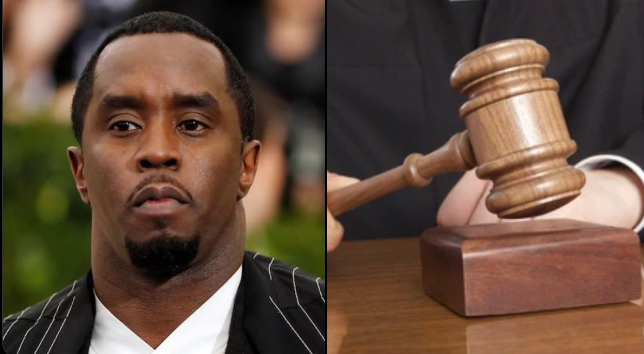
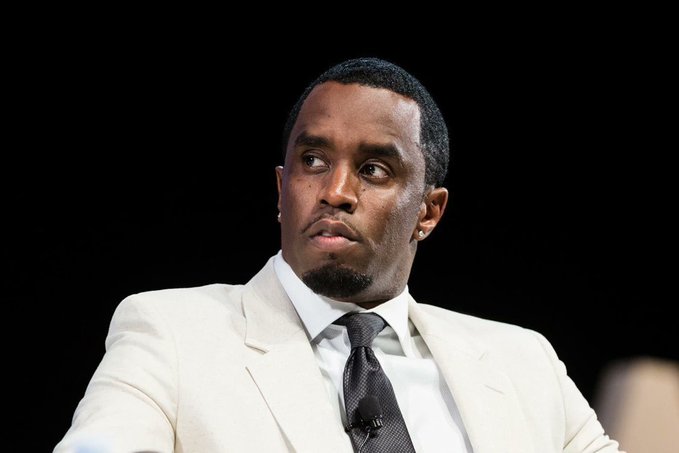
Hip-hop mogul Sean “Diddy” Combs has been sentenced to just over four years in prison after being convicted on prostitution-related charges involving his ex-girlfriends, Casandra Ventura and another woman who testified under a pseudonym.
The 55-year-old music executive, who faced a nearly two-month federal trial in New York, was found guilty of transporting women across state lines for prostitution under the Mann Act of 1910. He was acquitted of the more serious charges of racketeering conspiracy and sex trafficking.
Courtroom Drama
Prosecutors pushed for an 11-year sentence, citing years of abuse, while Combs’ lawyers requested 14 months, arguing he was “reformed” after serving 13 months in a Brooklyn jail during the trial.
Judge Arun Subramanian settled on a 50-month term, saying a strong sentence was needed “to deter and to send a message.” Combs will receive credit for time served and must also pay a $500,000 fine.
- VIDEO: Woman Claiming to Be Chris Okafor’s Former Wife Makes Explosive Allegations
- I will not be vice-president to anybody ~ Peter Obi
- Israel recognises Somaliland as sovereign state
- 70-year-old Indian woman gives birth to her first child
- Ghanaian Prophet, Eboh Noah, Builds 8 Arks, Reveals God Has Warned Him That The World Will End On Christmas Day ~ Not By Fire, But By Another Global Flood.
- VIDEO: Pregnant wife bursts into tears as husband refuses to go beg neighbour Jollof rice
Before sentencing, Combs gave an emotional apology (his first public words since the trial began) addressing his victims directly. “My actions were disgusting, shameful, and sick,” he said, naming Ventura and Jane. “I got lost in excess. I got lost in my ego.”
He also turned to his seven children, many of whom were in court and openly weeping. “I’m so sorry. They deserved better,” Combs said, before pleading with the judge for mercy.
Prosecution vs Defence
Prosecutors described Combs as manipulative, controlling, and violent. They accused him of orchestrating “freak-offs”—encounters in which he coerced his partners into sex with hired male escorts while he watched and recorded, often under the influence of drugs.
“He didn’t need the money. His currency was control,” prosecutor Christy Slavik told the court, arguing that his actions would scar the victims for life.
The defence countered that Combs was not a pimp, as he did not profit financially. They portrayed him as a man battling “untreated trauma and a ferocious drug addiction,” who had shown signs of genuine reform in prison.
Lawyer Nicole Westmoreland became emotional as she described Combs’ impact on Black entrepreneurship and music, insisting, “He gets it, simply put.”
Family Pleas
The most poignant moments came from Combs’ children. His son Quincy Brown told the judge: “In front of you and in front of us is a changed man. He has evolved, something we haven’t seen in 15 years.”
His daughter, Delila, 18, begged for leniency, saying: “We can’t watch our baby sister grow up fatherless the same way we grew up motherless. Please, please give our family the chance to heal.”
The Judge’s Verdict
Judge Subramanian acknowledged Combs’ philanthropic work and contributions to the music industry but rejected the defence’s claims of consensual relationships.
“You abused them, physically, emotionally, and psychologically,” the judge said. “This was subjugation. Both women carry trauma that will last a lifetime. You had the money and power to keep it going. This is the reality of what happened.”
Combs, who appeared to fight back tears, listened as the judge made clear that a second chance could not come without accountability.
The sentence marks one of the most dramatic downfalls in hip-hop history, sending a message about power, abuse, and justice.