

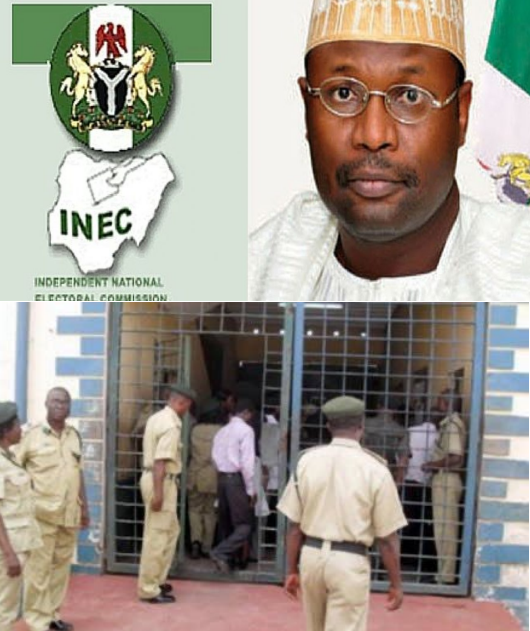
The Independent National Electoral Commission (INEC) says it is ready to support voting rights for eligible inmates in Nigeria and has called on the National Assembly to provide the legal backing needed to make it a reality.
INEC Chairman, Professor Mahmood Yakubu, made the announcement on Friday during a visit by the Comptroller General of the Nigeria Correctional Service, Sylvester Nwakuche, at the Commission’s headquarters in Abuja.
“The right to vote is a fundamental human right and should not be denied to any citizen solely because they are serving time in a correctional facility,” Yakubu said. “In several countries (including Ghana, Kenya, and South Africa) our officials have observed elections where inmates were allowed to vote.”
Yakubu referenced a 2019 Court of Appeal judgment that affirmed the right of inmates, especially those awaiting trial, to register and vote in elections. But he stressed that a clear legal framework is necessary to guide the process and ensure that electoral laws are upheld.
- VIDEO: Woman Claiming to Be Chris Okafor’s Former Wife Makes Explosive Allegations
- I will not be vice-president to anybody ~ Peter Obi
- Israel recognises Somaliland as sovereign state
- 70-year-old Indian woman gives birth to her first child
- Ghanaian Prophet, Eboh Noah, Builds 8 Arks, Reveals God Has Warned Him That The World Will End On Christmas Day ~ Not By Fire, But By Another Global Flood.
- VIDEO: Pregnant wife bursts into tears as husband refuses to go beg neighbour Jollof rice
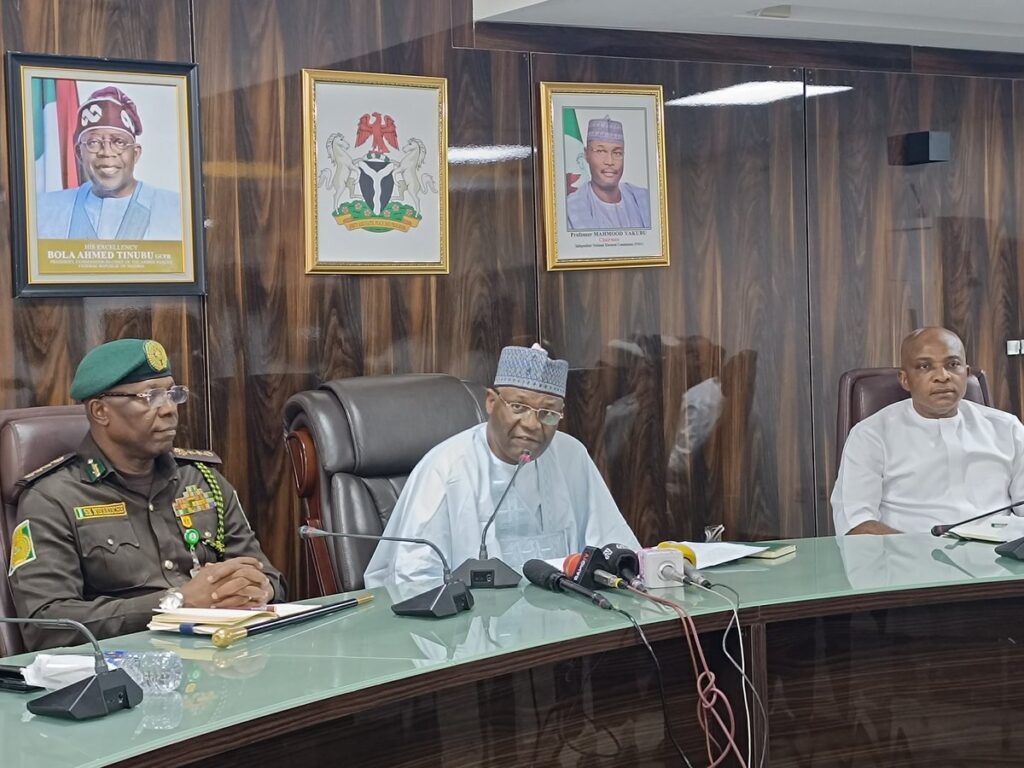
He explained that INEC had previously worked with the Correctional Service on how to make voting possible for inmates, including setting up a joint technical committee to assess the legal and logistical challenges.
“We’ve already received data on the location of correctional facilities and categories of inmates,” Yakubu noted. “But there are still issues around access, setting up polling units, monitoring by observers, media coverage, and whether political parties can campaign within the facilities or appoint agents on election day.”
One of the key grey areas, according to Yakubu, is Section 12(1)(e) of the Electoral Act 2022, which states that only Nigerians not under “legal incapacity” can vote. The law doesn’t define whether that includes inmates on death row, serving life sentences, or convicted of treason.
“Our immediate priority is to work with the National Assembly to clarify the law,” he said. “Once that is resolved, we can begin addressing the practical steps needed for implementation.”
In his response, Nwakuche welcomed INEC’s commitment and urged the Commission to move forward with extending electoral rights to inmates. He disclosed that there are over 81,000 inmates currently in Nigeria’s correctional facilities, and around 66 percent of them are awaiting trial.
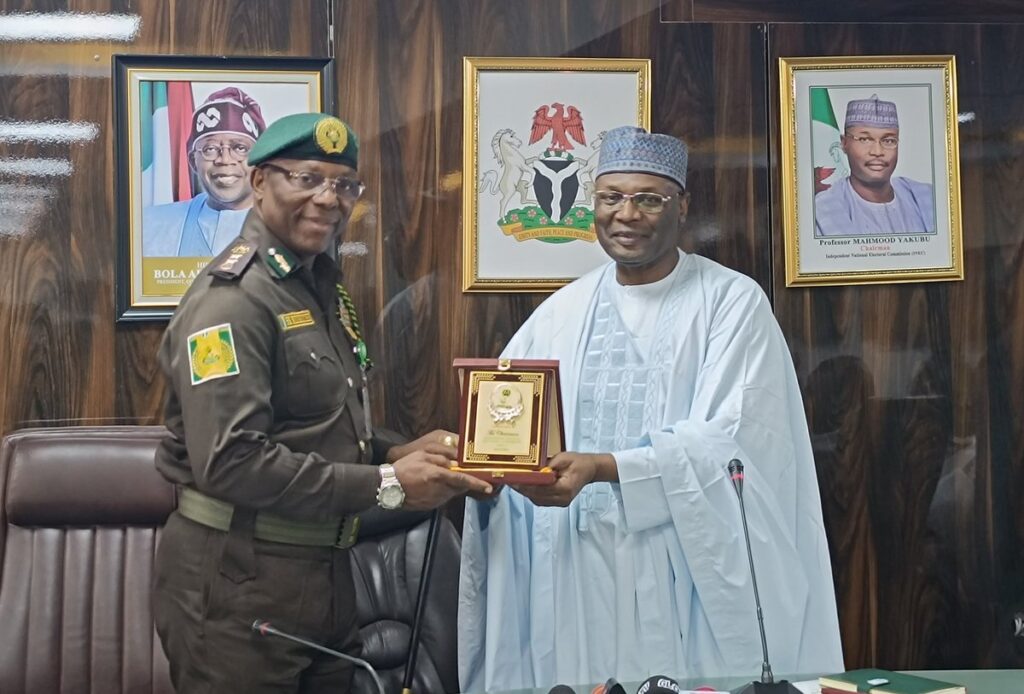
He also cited a recent court ruling that reaffirmed the voting rights of inmates awaiting trial. However, while the Court of Appeal upheld the plaintiffs’ rights, it stopped short of ordering INEC to establish registration centers inside prisons.
Despite this limitation, Yakubu assured that INEC remains committed to working within the law to ensure that no eligible Nigerian is denied the right to vote.
“The courts have affirmed that the right to vote must be voluntarily exercised, not imposed,” he said. “But we are ready to do our part to support those who wish to participate in the democratic process.”