


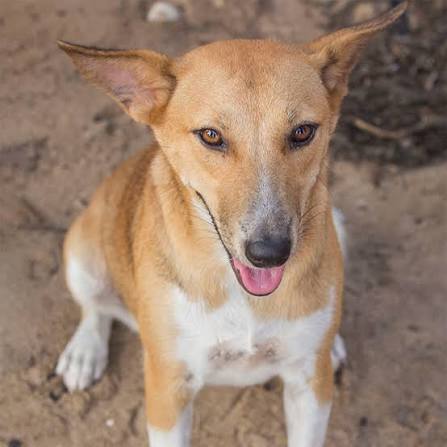
A bill seeking to prohibit the slaughter and consumption of dog meat in Akwa Ibom State has been rejected outright by members of the Akwa Ibom State House of Assembly, shutting down the proposal even before it reached first reading.
The bill, which was introduced during a recent plenary session, aimed to criminalise the sale, processing, and eating of dog meat across the state. Its sponsor, whose name lawmakers did not allow to be officially entered into the record after the rejection, argued that the measure was necessary to protect animal welfare, reduce cruelty against dogs, and address public health risks associated with the trade.
But the proposal met instant resistance. Before the clerk could announce the title formally, multiple lawmakers stood up to oppose it, dismissing the bill as unnecessary, culturally insensitive, and out of touch with the realities of the state.
According to accounts from inside the chamber, several members argued that dog meat — known locally as 404 — is deeply rooted in the food culture of many communities in Akwa Ibom and neighbouring Cross River. They insisted that the legislature should not interfere in the dietary choices of residents unless there is overwhelming scientific evidence of imminent danger.
One lawmaker from the Uyo axis reportedly told colleagues that the state assembly had “more urgent priorities” than regulating traditional foods, while another from the Ikot Ekpene Senatorial District said any attempt to ban dog meat would amount to “legislating against culture.”
The House collectively refused the bill and allowed it to “die on arrival,” preventing even a formal debate.
Before the bill was struck out, the sponsor attempted to justify the proposal by pointing to international animal-welfare standards and growing global campaigns against dog-meat consumption.
He referenced concerns that some dogs used for meat are transported in poor conditions, kept without adequate food or water, or slaughtered using cruel methods. Such practices, he said, posed ethical problems and public-health risks, including potential disease transmission.
Globally, several animal-rights organisations — including the Humane Society International (HSI) and PETA — have campaigned against dog meat consumption, citing risks of rabies spread in poorly regulated markets. Countries such as South Korea and Thailand have either restricted or are in the process of phasing out the dog-meat trade.
But Akwa Ibom lawmakers insisted the state was not facing an animal-borne disease crisis linked to dog consumption and saw no justification for a ban.
News of the bill’s rejection quickly spread across social media, prompting mixed reactions. Some residents supported the lawmakers’ decision, arguing that dog meat remains a delicacy and a cultural staple that should not be regulated. Others took the opposite view, calling the bill “forward-looking” and accusing the House of failing to modernise public-health laws.
A veterinarian in Uyo, speaking to local reporters, agreed that while dog consumption is a cultural practice, the trade should at least be regulated for hygiene and vaccination compliance. “A total ban may not work immediately,” she said, “but we cannot ignore the health implications of unregulated slaughter.”
Attempts to ban dog-meat consumption in Nigeria have surfaced in various states over the years, often meeting strong cultural resistance. In 2018, animal-rights activists in Lagos and Abuja launched campaigns urging states to outlaw the trade, but no state has implemented an outright ban.
Akwa Ibom’s attempt now joins the list of failed efforts.
With the bill thrown out before first reading, the matter is considered closed — unless another lawmaker chooses to reintroduce a revised version in the future. For now, dog-meat markets and joints across the state will continue operating without new restrictions.
The House has not issued a formal written statement on the matter, but insiders say lawmakers want to avoid policies that could “generate unnecessary tension” or be perceived as “attacks on local culture.”
As it stands, dog meat remains legal and widely consumed across Akwa Ibom — and the recent attempt to outlaw it has only reinforced how tightly culture and food traditions are woven into the identity of the state.