

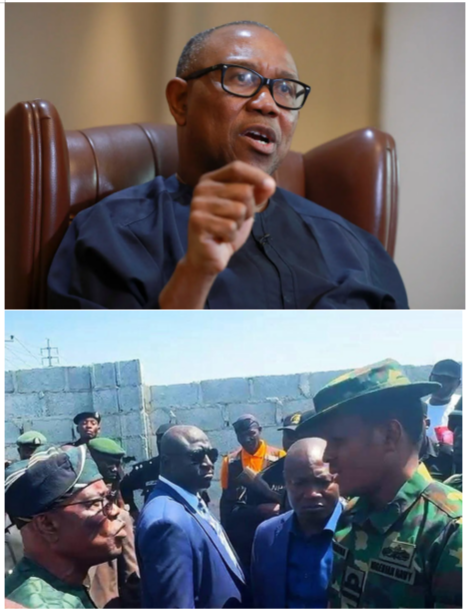
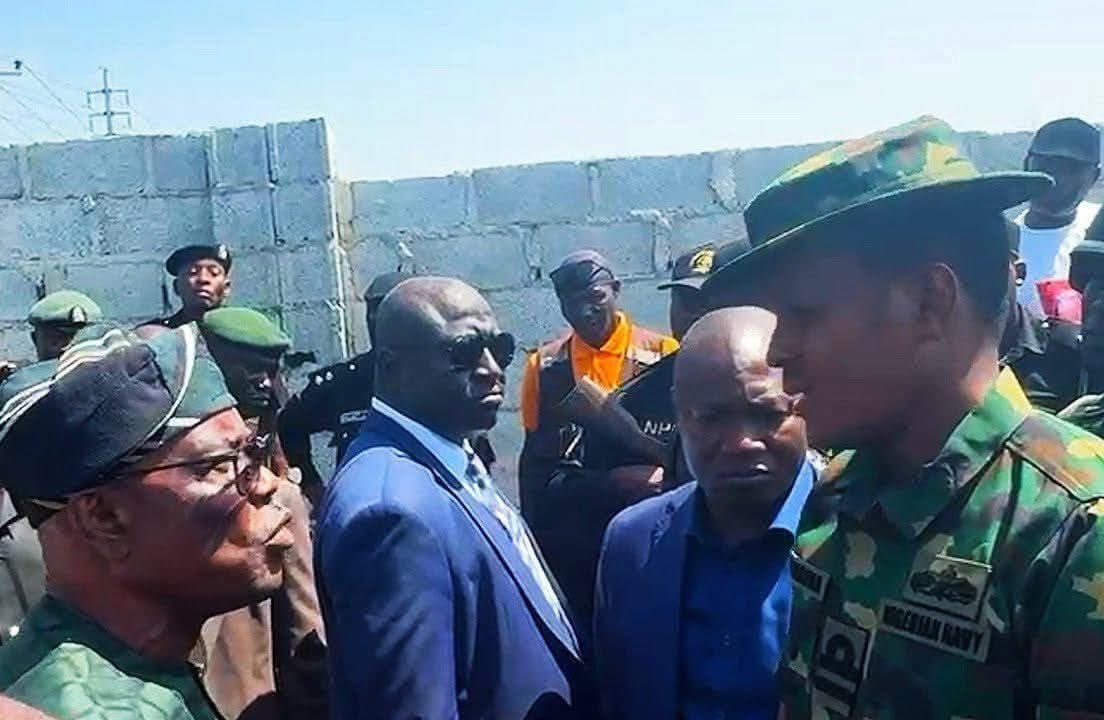
Labour Party presidential candidate Peter Obi has described the recent confrontation between the FCT Minister, Nyesom Wike, and a Naval officer in Abuja as a “needless altercation” and a “reflection of the growing institutional disorder in Nigeria.”
In a statement posted on his official X handle, Obi said the clash, which occurred during a dispute over land development in the Gaduwa District, was another sign of how Nigeria’s public institutions are losing their sense of order and civility.
- VIDEO: Woman Claiming to Be Chris Okafor’s Former Wife Makes Explosive Allegations
- I will not be vice-president to anybody ~ Peter Obi
- Israel recognises Somaliland as sovereign state
- 70-year-old Indian woman gives birth to her first child
- Ghanaian Prophet, Eboh Noah, Builds 8 Arks, Reveals God Has Warned Him That The World Will End On Christmas Day ~ Not By Fire, But By Another Global Flood.
- VIDEO: Pregnant wife bursts into tears as husband refuses to go beg neighbour Jollof rice
He wrote, “What should ordinarily be a routine civic encounter has, once again, become a national embarrassment — a typical example coming out of a disgraced country.”
Obi questioned the use of military personnel in civil matters and the absence of clear boundaries between administrative and security duties. He noted that the altercation underscored Nigeria’s erosion of institutional discipline, respect for due process, and civility in public service.
“When public officials act beyond institutional norms, and when security agencies are used in ways that blur their professional boundaries, we weaken both governance and public trust,” he said.
The former Anambra governor urged Nigerians to see the incident as a call for reform, adding that the nation must rebuild institutions that are “stronger than individuals” and led by humility, discipline, and respect for the rule of law.
FULL STATEMENT BELOW:
Wike versus Naval Officer: A Lesson for National Reflection
The recent needless altercation between the FCT Minister, HE, Barr. Nyesom Wike and a Naval officer are yet another unfortunate reflection of the growing institutional disorder in our country. What should ordinarily be a routine civic encounter has, once again, become a national embarrassment— a typical example coming out of a ‘disgraced country’
Beyond the personalities involved, this incident raises fundamental questions that demand honest national reflection:
Should the military be used for purely civil operations? If proper protocols were in place, should a Minister’s intervention in such a matter be in such an indecorous manner?
Shouldn’t there be clear boundaries between administrative authority and the duties of security agencies?
What does this say about our respect for institutions and the separation of powers? Why are our men and women in uniform so often drawn into civilian disputes? Why has the culture of due process and civility given way to public spectacle and confrontation? If our institutions worked as they should, would tempers flare in situations that should be handled by clear procedure and hierarchy? Above all, what example do incidents like this set for our younger generation about leadership, discipline, and the rule of law?
These are not just questions about one incident – they go to the very heart of how our nation is governed. When public officials act beyond institutional norms, and when security agencies are used in ways that blur their professional boundaries, we weaken both governance and public trust.
We must learn from this episode. It is time to rebuild a nation where institutions are stronger than individuals; where public office is exercised with humility and restraint; where the dignity of our uniformed officers and the rights of every citizen are upheld.
A country that aspires to greatness and feels insulted when referred to as a disgraced nation must replace the culture of impunity with the discipline of law, order, and respect for due process.
Repeatedly, I have maintained that to occupy an office and be referred to as His Excellency, Distinguished or Honourable, how we get to such an office and our character and behaviour while holding it or out of it should reflect such exemplary titles in all ramifications.
A New Nigeria is POssible. -PO
SEE VIDEO BELOW: