

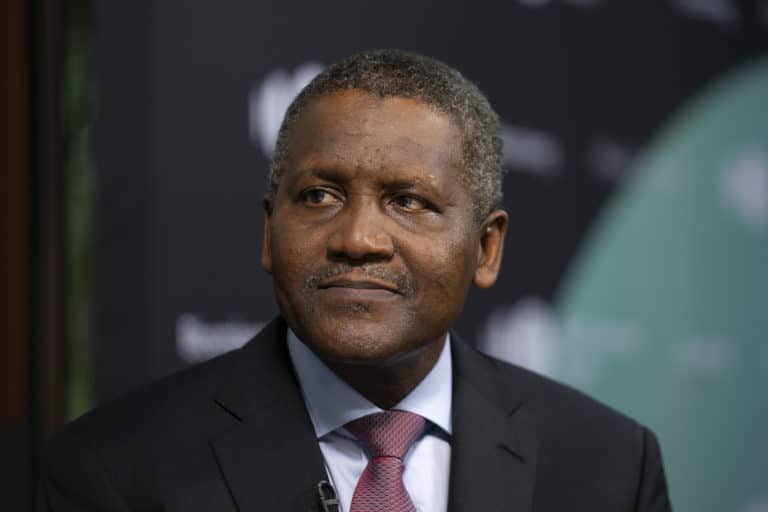
Africa’s richest man, Aliko Dangote, has announced plans to slash the cost of Liquefied Petroleum Gas (LPG), also known as cooking gas, in Nigeria.
Speaking during a tour of his refinery in Lekki, Lagos, Dangote said the current price of LPG (ranging from ₦1,000 to ₦1,300 per kilogram) is too expensive for average Nigerians, especially those still relying on firewood.
The billionaire industrialist revealed that the Dangote Refinery currently produces about 2,000 tonnes of LPG daily and is scaling up efforts to flood the market with affordable gas. He warned that if distributors refuse to reduce prices, the company would bypass them and sell directly to consumers.
“If they won’t bring down the price, we’ll sell directly to the people,” Dangote said. “We want more Nigerians to switch from firewood and kerosene to clean cooking gas.”
- VIDEO: Woman Claiming to Be Chris Okafor’s Former Wife Makes Explosive Allegations
- I will not be vice-president to anybody ~ Peter Obi
- Israel recognises Somaliland as sovereign state
- 70-year-old Indian woman gives birth to her first child
- Ghanaian Prophet, Eboh Noah, Builds 8 Arks, Reveals God Has Warned Him That The World Will End On Christmas Day ~ Not By Fire, But By Another Global Flood.
- VIDEO: Pregnant wife bursts into tears as husband refuses to go beg neighbour Jollof rice
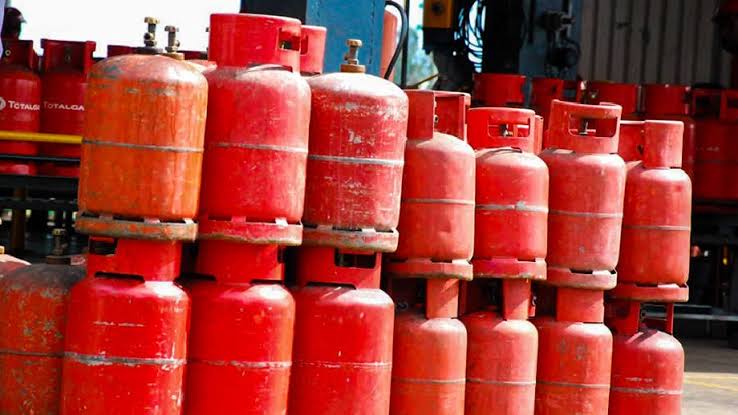
However, some industry players have kicked against the plan. Godwin Okoduwa, former chair of the LPG and Natural Gas Downstream Group of the Lagos Chamber of Commerce, warned that Dangote’s approach could lead to a monopoly.
He urged collaboration instead, noting the LPG market had grown through collective efforts; from 70,000 metric tonnes in 2007 to over 1.3 million in 2022.
Similarly, Bassey Essien, head of the Nigerian Association of LPG Marketers, expressed doubt over Dangote’s ability to bypass distributors entirely or achieve a major price crash.
Despite the pushback, Dangote maintains that his goal is public interest, not domination. His move to directly distribute gas follows similar plans to deliver petrol and diesel nationwide using 4,000 CNG-powered trucks by August.