

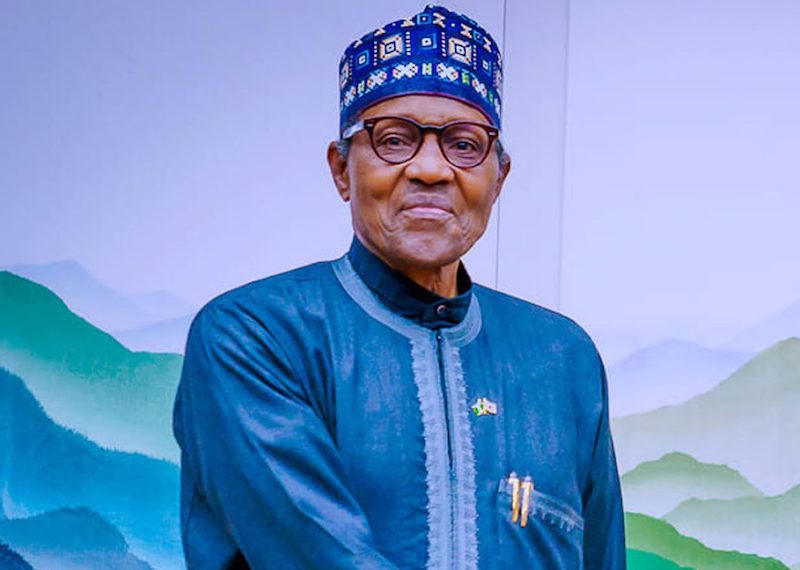
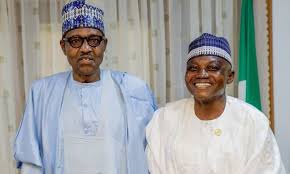
Former President Muhammadu Buhari turned down luxury gifts, extravagant spending, and illicit inducements while in office, according to revelations by his ex-media aide, Garba Shehu.
These details are contained in Shehu’s newly launched book, “According to the President: Lessons from a Presidential Spokesperson’s Experience,” unveiled on Tuesday in Abuja.
In the book, Shehu highlighted several instances where Buhari displayed financial discipline and integrity. Notably, Buhari rejected a proposal to purchase five armored Mercedes-Benz S-600 vehicles worth N400 million (approved during the Jonathan administration), insisting that the cars left by his predecessor were sufficient. He continued using them until one broke down en route to Abuja’s airport.
- VIDEO: Woman Claiming to Be Chris Okafor’s Former Wife Makes Explosive Allegations
- I will not be vice-president to anybody ~ Peter Obi
- Israel recognises Somaliland as sovereign state
- 70-year-old Indian woman gives birth to her first child
- Ghanaian Prophet, Eboh Noah, Builds 8 Arks, Reveals God Has Warned Him That The World Will End On Christmas Day ~ Not By Fire, But By Another Global Flood.
- VIDEO: Pregnant wife bursts into tears as husband refuses to go beg neighbour Jollof rice
Buhari also slashed the Aso Villa catering budget. When informed the annual allocation was N10 million, he reportedly expressed outrage and demanded it be reduced. “Look at my table. What do I eat? How much does it cost?” Buhari asked, emphasizing his preference for simple meals.
Shehu recounted an incident involving Nigerian-American jeweler Chris Aire, who gifted Buhari a diamond-studded wristwatch with his image. Buhari praised Aire’s success but ordered the gift returned, citing ethical concerns.
The book also details a meeting in 2015 with the board of a major construction company where Buhari firmly warned against kickbacks and inflated contracts. “We will not accept 10% cuts or homes and cars as bribes. These practices must stop,” he declared, adding that padded costs were embedded in government contracts.
Buhari’s anti-corruption stance, according to Shehu, extended to rejecting “discretionary powers” in awarding contracts and promoting tighter financial controls within the State House.
Through these accounts, Shehu paints Buhari as a leader committed to modesty, accountability, and a culture of fiscal discipline—qualities he believes should be emulated in Nigeria’s public service.