


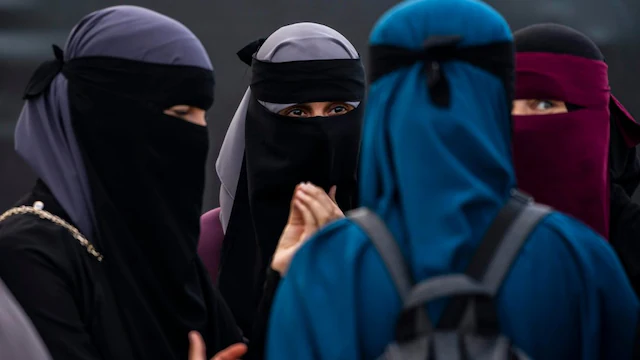
Kazakhstan has joined a growing list of Central Asian countries by passing a law that bans all clothing that hides the face in public.
President Kassym-Jomart Tokayev signed the measure on June 30, saying it’s meant to protect national identity and help with security. Though it doesn’t name specific religious garments like the niqab or burqa, the law says any item making facial recognition hard is forbidden.
Exceptions apply—for medical reasons, extreme weather, approved events, or official duties. Tokayev praised traditional Kazakh dress over full-face veils.
- VIDEO: Woman Claiming to Be Chris Okafor’s Former Wife Makes Explosive Allegations
- I will not be vice-president to anybody ~ Peter Obi
- Israel recognises Somaliland as sovereign state
- 70-year-old Indian woman gives birth to her first child
- Ghanaian Prophet, Eboh Noah, Builds 8 Arks, Reveals God Has Warned Him That The World Will End On Christmas Day ~ Not By Fire, But By Another Global Flood.
- VIDEO: Pregnant wife bursts into tears as husband refuses to go beg neighbour Jollof rice
This move fits a regional pattern. Kyrgyzstan banned the niqab in February, fining offenders around $230 and enforcing the law through patrols and raids. Uzbekistan issued a burqa ban in 2023, while Tajikistan also prohibits face-concealing clothes seen as “alien to national culture.”
Supporters of these bans argue they enhance public safety and unity. In Kyrgyzstan, officials said full veils could conceal criminals. Critics, however, see the laws as targeting Muslim women and violating religious freedoms.
In Kazakhstan, protests erupted when schoolgirls challenged a hijab ban, showing the deep tensions over religious dress in secular schools. Experts warn that while the laws aim at national cohesion, they risk alienating religious communities and affecting individual rights.
Kazakhstan now joins a broader global effort—several European and African nations, including France and Cameroon, also limit full-face coverings for security and integration reasons.