



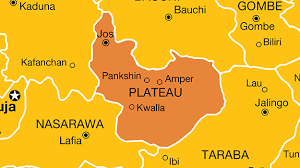
In Plateau State, more than 300 vigilantes have entered a forest in Wase Local Government Area to fight bandits who have been attacking nearby communities.
The vigilantes, working with the military, stormed the Dutsen Zaki forest on Saturday. The fight continued until Wednesday. According to reports, several bandits and their wives were killed in the attack, but four vigilantes also lost their lives, and 16 others were injured.
A local vigilante leader, Abdullahi Hussaini, told Daily Trust that the operation is in its fifth day and aims to stop the armed men who have been disturbing areas like Zurak, Aduwa, Kinashe, and Odare.
- VIDEO: Woman Claiming to Be Chris Okafor’s Former Wife Makes Explosive Allegations
- I will not be vice-president to anybody ~ Peter Obi
- Israel recognises Somaliland as sovereign state
- 70-year-old Indian woman gives birth to her first child
- Ghanaian Prophet, Eboh Noah, Builds 8 Arks, Reveals God Has Warned Him That The World Will End On Christmas Day ~ Not By Fire, But By Another Global Flood.
- VIDEO: Pregnant wife bursts into tears as husband refuses to go beg neighbour Jollof rice
“We started the fight on Saturday. We are forced to face these armed men. People on the Bashar axis are no longer safe. People cannot live in their houses simply because of the fear of attack, killing, and kidnapping. The activities of the armed men have become a daily occurrence. That is why vigilantes are taking the fight to their hideout,” Hussaini said.
He added, “It is not an easy task, given how the bandits have made the forest their home for so long. We have made several attempts in the past but haven’t succeeded. But this time around, we killed them and their wives. Many of them have also fled. The forest is now under our control.”
A youth leader in Wase, Shapi’i Sambo, confirmed the clash and said the group’s commander was among those killed. A new leader has been chosen to continue the mission.
Abdullahi Bin Umar, a resident, also said people living near the forest are scared and have started leaving their villages.