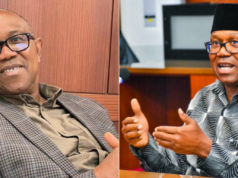



The Take-It-Back (TIB) Movement, a Nigerian human rights movement, has released a list of 19 individuals—including leading activists Omoyele Sowore and Dele Farotimi—who they allege have been unjustly targeted, arrested, or detained in Nigeria under the repressive Cybercrime Act 2024.
The movement accuses the government of abusing the law as a tool for suppressing free speech and muzzling public criticism of government officials. According to TIB, the majority of those named were accused of cyberstalking, spreading “false information,” or making critical remarks on the internet.
The group alleges that while the Cybercrime Act was originally enacted to counter online fraud and threats, its vague provisions are now being utilized to harass and silence journalists, lawyers, and rights activists Omoyele Sowore, a popular journalist and a former presidential candidate, was just arrested and charged under the Cybercrime Act in accordance with his description of the Inspector General of Police, Kayode Egbetokun, as “illegal” in a social media post. He was hit with a 16-count charge and was later released on bail for ₦10 million.
- VIDEO: Woman Claiming to Be Chris Okafor’s Former Wife Makes Explosive Allegations
- I will not be vice-president to anybody ~ Peter Obi
- Israel recognises Somaliland as sovereign state
- 70-year-old Indian woman gives birth to her first child
- Ghanaian Prophet, Eboh Noah, Builds 8 Arks, Reveals God Has Warned Him That The World Will End On Christmas Day ~ Not By Fire, But By Another Global Flood.
- VIDEO: Pregnant wife bursts into tears as husband refuses to go beg neighbour Jollof rice
Additionally, Dele Farotimi, a human rights lawyer, was arrested in Lagos and brought to Ekiti State to respond to 16 criminal defamation and cyberbullying charges—the charges being connected to his book, Nigeria and Its Criminal Justice System.
He was released on a ₦50 million bail. Consequently, the TIB Movement has organized nationwide protests in Lagos, Oyo, Rivers, and the Federal Capital Territory demanding the prompt withdrawal of the new Cybercrime Act.

The protesters argue that the legislation is being employed to stifle civil liberties, criminalize freedom of expression, and impede activists’ activities.
Despite attempts by police to call off the demonstrations, the protests continue, attracting more public interest. The TIB Movement is also calling for a wholesale review of the law through public hearings so that it can align itself with democratic values and human rights.
As debate over the Cybercrime Act intensifies, civil society groups continue to push the Nigerian government to respect digital rights and not use legislation as a means of crushing voices of dissent.