

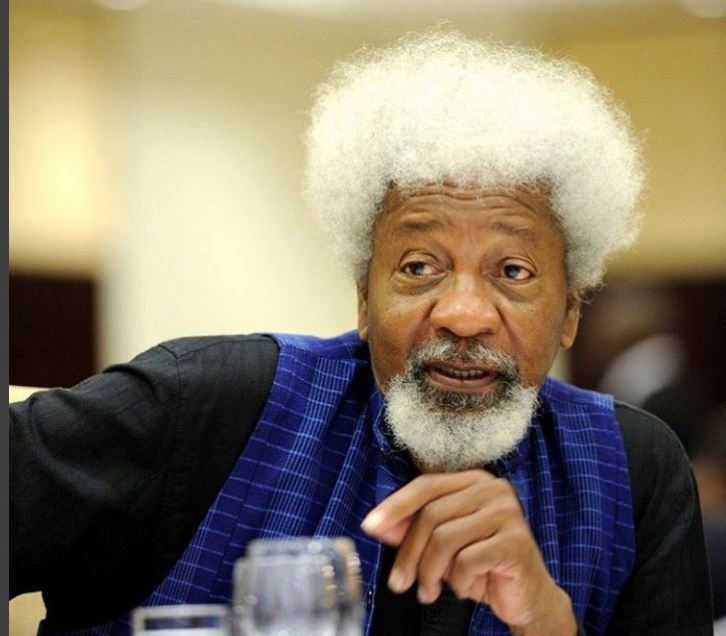
Renowned Nobel Laureate, Professor Wole Soyinka, has shared insights into his spiritual inclinations, emphasizing that Orisa worship holds a deeper appeal for him due to its artistic and non-violent essence.
Speaking in a recent interview with CNN’s Larry Madowo, Soyinka reflected on his dual religious upbringing, having been exposed to both Christianity and traditional African spirituality.
He recalled, “I was fortunate to be born into two worlds—the Christian faith and the Orisa tradition. My grandfather was a devoted Orisa worshipper and a chief before eventually converting to Christianity. However, I found his Orisa roots far more fascinating.”
According to The Punch, Soyinka described Orisa worship as more engaging and enigmatic compared to Christianity and Islam.“Orisa is rich in creativity, artistry, and an air of mystery,” he noted, adding that he finds little of such mystique in the Abrahamic religions.
- VIDEO: Woman Claiming to Be Chris Okafor’s Former Wife Makes Explosive Allegations
- I will not be vice-president to anybody ~ Peter Obi
- Israel recognises Somaliland as sovereign state
- 70-year-old Indian woman gives birth to her first child
- Ghanaian Prophet, Eboh Noah, Builds 8 Arks, Reveals God Has Warned Him That The World Will End On Christmas Day ~ Not By Fire, But By Another Global Flood.
- VIDEO: Pregnant wife bursts into tears as husband refuses to go beg neighbour Jollof rice
Highlighting the openness and inclusivity of Orisa spirituality, Vanguard reported that Soyinka sees it as fundamentally non-violent.
“Orisa is welcoming and ecumenical. This openness allowed foreign religions to integrate and sometimes distort its essence. Unlike Christianity and Islam, it does not impose or resort to violence,” he explained.
Soyinka also reiterated his disinterest in conventional religious doctrines, stating unequivocally, “I do not believe in the Christian or Islamic concept of God. If that labels me an atheist, then so be it—I am an atheist.”
Beyond spirituality, the literary giant disclosed his unease with adaptations of his life and works. He admitted, “The idea of turning aspects of my life into something others can watch unsettles me. It makes me deeply uncomfortable.”
Soyinka’s reflections provide a glimpse into his philosophical worldview, shaped by both personal heritage and intellectual exploration.