

Lawmaker links ISWAP/Boko Haram threat to Middle Belt “genocide” claim against radical Fulani Muslims Quick Hits: – Statement by: US Rep. Riley Moore (post-Nigeria visit)
– Focus areas: Northeast insurgencies (ISWAP/JAS) + Middle Belt violence
– Key claim: “Close to finalizing” a strategic security framework- Controversy: Use of “genocide” term for Middle Belt Christian-targeted attacks (debated by analysts)
– US Representative Riley Moore has announced that officials are “close to a strategic security framework” to address dual crises in Nigeria: the long-running insurgencies by ISWAP (ISIS in West Africa) and JAS (Boko Haram’s Jama’atu Ahlis Sunna Lidda’awati wal-Jihad) in the northeast, and what he described as “genocide against Christians by radical Fulani Muslims” in the Middle Belt.
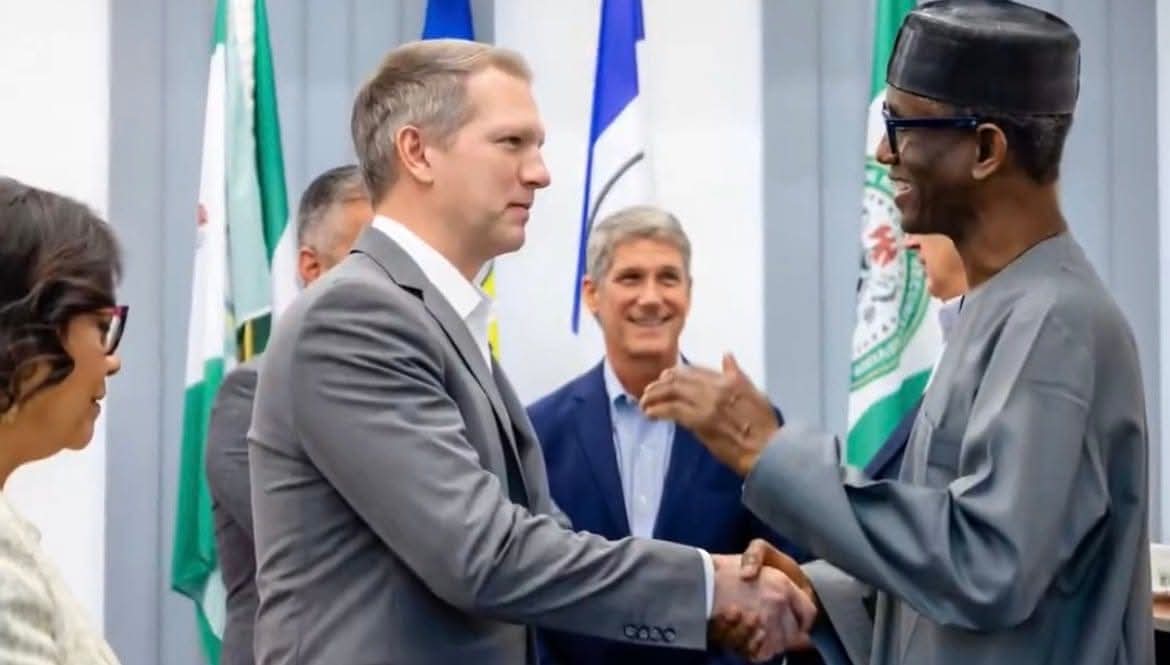
The statement came Monday as Moore returned to the U.S. from a fact-finding visit to Nigeria, where he met with security officials, community leaders, and humanitarian groups across both regions.
“We’ve spent weeks in dialogue with Nigerian stakeholders and U.S. security experts, and I’m encouraged to say we’re on the cusp of a framework that addresses both the armed insurgencies in the northeast and the devastating violence targeting Christian communities in the Middle Belt,” Moore said in a press conference on Capitol Hill.
The proposed framework, which Moore did not detail in full, is said to include enhanced intelligence sharing, capacity building for Nigerian security forces, and diplomatic efforts to de-escalate tensions in conflict zones. He emphasized that the plan would “prioritize protecting civilians first, regardless of their faith or ethnicity.
” Northeast Insurgency Context ISWAP and JAS have waged a 15-year insurgency in northeast Nigeria, killing tens of thousands and displacing over 2 million people. The groups have targeted military bases, villages, and humanitarian convoys, with Borno, Yobe, and Adamawa states bearing the brunt of the violence. Recent military operations have made gains in pushing militants from key strongholds, but attacks on security forces and civilians persist.
Middle Belt “Genocide” Claim: A Contentious Issue Moore’s use of the term “genocide” to describe Middle Belt violence has sparked debate among analysts and policymakers. The region has seen decades of conflict between Fulani herders and Christian farmers, driven by competition for land and water, as well as radicalization in some cases.
While human rights groups have documented widespread killings of Christians in the area, the label “genocide” – which requires proof of a deliberate plan to destroy a group in whole or in part – has not been officially recognized by the Nigerian government or international bodies like the United Nations.
“Acknowledging the severity of the violence is critical, but the ‘genocide’ term carries legal and political weight that requires careful verification,” said a senior analyst at the Africa Center for Strategic Studies. “It’s important to avoid oversimplifying a complex conflict rooted in multiple factors.
” Nigerian government officials have yet to respond directly to Moore’s statement, but a spokesperson for the Ministry of Foreign Affairs noted last month that the administration is “committed to addressing all forms of violence in the country through dialogue and targeted security actions.
” Humanitarian groups operating in the Middle Belt welcomed the focus on the crisis but urged caution in framing the conflict. “Any security framework must also address the root causes of violence – not just the symptoms,” said a representative for a global aid organization working in Plateau State.
“That means investing in land reform, economic opportunities, and intercommunal dialogue.” Moore said he plans to present the proposed framework to Congress in the coming weeks and push for bipartisan support for U.S. engagement in Nigeria’s security efforts.
“The U.S. has a role to play in helping Nigeria protect its people and build lasting peace,” he added. “This framework is a step in that direction.
” The story will be updated as details of the proposed framework emerge and as official responses are received from Nigerian and U.S. authorities. Disclaimer: This story reflects the claims of US Rep. Riley Moore and independent analysis. The use of the term “genocide” remains a subject of debate, and readers are advised to consult multiple sources for a full understanding of the Middle Belt conflict.