

“This Is Genocide”: U.S. Congressman Riley Moore Condemns Targeted Massacres of Christians in Nigeria’s Benue State
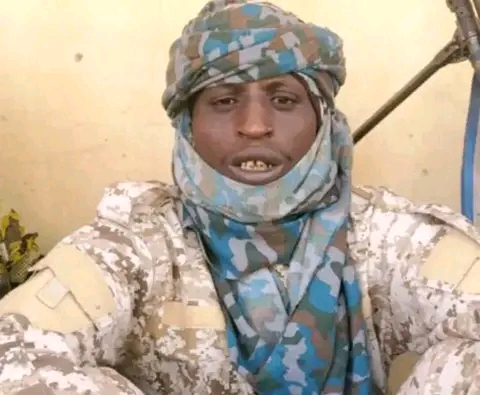
In a powerful rebuke of ongoing violence in Nigeria’s Middle Belt, U.S. Congressman Riley Moore has denounced the systematic attacks on Christian communities in Benue State as a deliberate campaign of ethnic and religious cleansing. During a recent fact-finding mission, Moore highlighted the alarming pattern of assaults on churches and Internally Displaced Persons (IDP) camps, challenging narratives that attribute the violence solely to climate change or land disputes.> “Why would you burn down a church? Why would you attack an IDP camp screaming ‘Allahu Akbar’? It is very clear what the answer is,” Moore stated, emphasizing the targeted nature of these attacks against Christians in the region.
Moore’s visit to Benue State included meetings with Christian survivors, traditional leaders, and religious figures who shared firsthand accounts of the atrocities. He described the conditions in the IDP camps as dire, with residents living in constant fear of further attacks by Fulani Islamic radicals.
One of the most harrowing incidents Moore referenced was the Yelwata massacre in June 2025, where militants killed up to 200 Christians in a coordinated nighttime assault on an IDP camp. Survivors recounted how attackers stormed the camp, setting buildings ablaze and killing residents indiscriminately.
The congressman criticized the international community’s response to the crisis, urging for more robust action to protect vulnerable populations. He announced plans to brief U.S. leadership on the situation, aiming to foster a coordinated effort to address the ongoing violence and support the Nigerian government’s efforts to restore peace.
Moore’s statements have reignited discussions on the root causes of the conflict in Nigeria’s Middle Belt, with many advocating for a reevaluation of the factors contributing to the violence. His call to action underscores the urgency of addressing the humanitarian crisis and ensuring the safety and rights of all affected communities.