


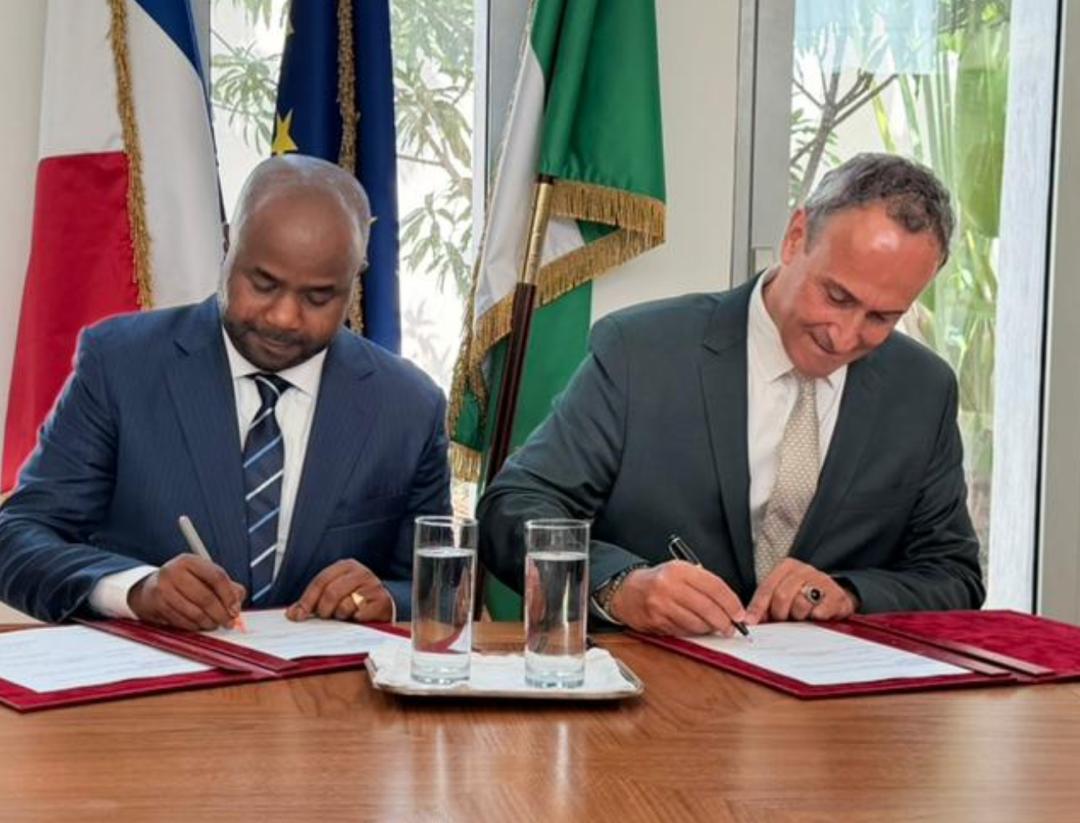
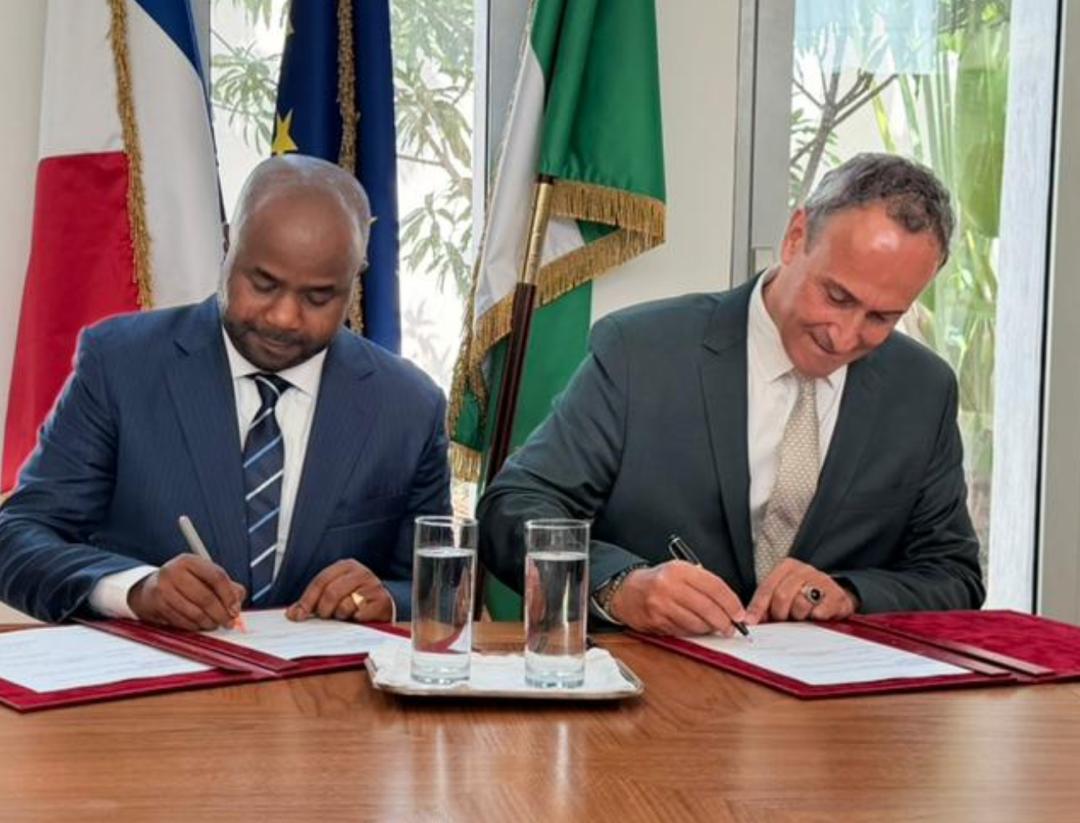
Nigeria’s tax administration is about to experience one of its biggest transformations in decades following a landmark cooperation agreement signed between Nigeria’s Federal Inland Revenue Service and the French government. The pact is focused on modernising Nigeria’s tax system through advanced digital tools, increased institutional capacity, and stronger international collaboration.The agreement signals a bold shift as Nigeria prepares to transition from the Federal Inland Revenue Service to the newly established Nigeria Revenue Service by January 2026.
This timing has heightened public interest and speculation about what the future of tax collection and enforcement will look like under the new structure.According to official sources, the partnership will introduce cutting-edge digital tax systems designed to improve efficiency, reduce human interference, and close long-standing loopholes that have enabled tax evasion and revenue leakages. Experts believe this could dramatically change how businesses and individuals interact with tax authorities across the country.France’s involvement is expected to bring technical expertise, institutional mentorship, and access to global best practices in digital tax administration. The collaboration will also focus heavily on training Nigerian tax officials, ensuring they are well-equipped to manage complex financial systems and cross-border tax challenges.
A major part of the deal centers on strengthening cross-border tax enforcement, especially in areas related to multinational corporations, transfer pricing, and offshore tax avoidance. This is seen as a strategic move to protect Nigeria’s revenue base in an increasingly globalized digital economy.For many Nigerians, this development raises both hope and concern. While improved tax collection could mean more funds for infrastructure, healthcare, and education, there are fears about increased surveillance, transparency requirements, and stricter enforcement on previously informal sectors of the economy.The transition into the Nigeria Revenue Service by January 2026 adds another layer of significance to this agreement. Analysts describe the pact as a “foundation blueprint” that could define how the new revenue agency will operate from its very first day.
Business owners and financial experts are now closely watching how quickly these reforms will be implemented and whether the promised digital platforms will truly simplify compliance or introduce new complexities. The coming months are expected to reveal pilot programs, digital roll-outs, and early-stage reforms across different sectors.
This cooperation pact also reflects Nigeria’s growing push to align its revenue systems with international standards and improve its global financial reputation. By partnering with a major European player, Nigeria is sending a clear signal of its intention to modernise and tighten its fiscal governance.As the January 2026 transition draws closer, Nigerians are being urged to stay informed and prepared for sweeping changes in how taxes are administered, paid, and monitored. One thing is certain: Nigeria’s tax landscape is on the brink of a major digital revolution.