

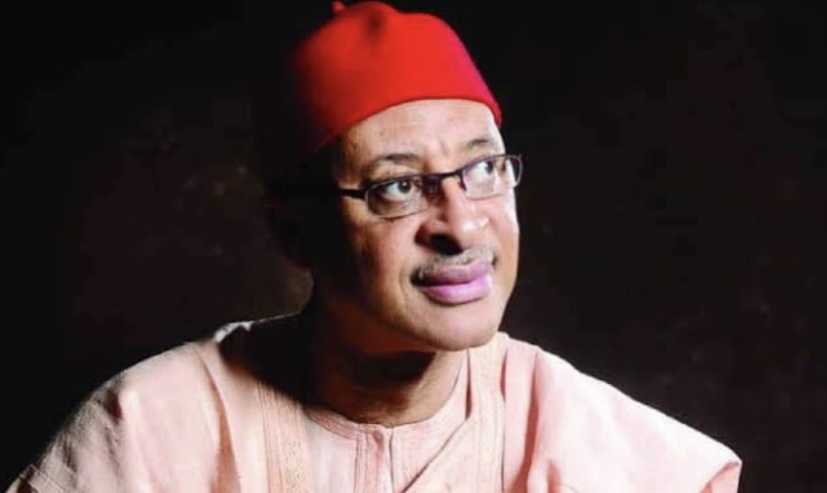
Pat Utomi: Politicians, Not Ethnic Differences, Are Fueling Nigeria’s DivisionIn a candid address at the first Tony Uranta Memorial Lecture held in Lagos, Pat Utomi — a renowned professor of political economy and management expert — delivered a sharp warning: many of the divisions tearing Nigeria apart today are being fuelled deliberately by politicians, not by the people. Utomi argued that rather than allowing ethnic or religious differences to naturally run their course within a pluralistic society, some politicians are weaponising those differences — deepening cleavages and manipulating emotions to win votes.
According to him, this tactic undermines national unity and erodes trust among citizens. At the event, which carried the theme “Unity in Diversity: Building a National Identity Beyond Ethno-Religious Fault Lines,” Utomi lamented that Nigeria’s founding vision has been compromised. He claimed the political class has abandoned the “vision that God cut out for us,” replacing it with cynical exploitation of identity divisions for political gain.
He emphasized that such divisive politics do not serve the collective interest. Instead, they fracture society, weaken social trust, and distract from the real issues — such as economic hardship, corruption, and institutional decay — which affect all Nigerians regardless of tribe or faith. Utomi’s criticism isn’t new: over the years, he has repeatedly called out the political elite for structuring the Nigerian state in ways that encourage corruption and foster inequality rather than genuine development. He urged Nigerians — especially ordinary citizens and civil society — to wake up and demand accountability. According to him, democracy in Nigeria remains a farce as long as politicians treat public office as a means for personal enrichment, rather than a platform for public service and national cohesion. As part of his call for change, Utomi has advocated for a new type of politics: one driven by reason, shared values, and national interest rather than by fear, division, or ethnicity.

He believes the path to unity lies not in denying Nigeria’s diversity but in embracing it — through honest, transparent, and inclusive leadership. The message at the memorial lecture was clear: for Nigeria to overcome its divisions and realise its potential, citizens must reject “divide-and-rule” politics and insist on leaders who prioritize unity, governance, and shared progress. In the coming days, many will likely reflect on Utomi’s warning. As the nation contemplates its future, the choice may well be between continuing down the path of division or striving for a renewed sense of collective identity — one rooted in dignity, fairness, and unity above ethnic lines.