


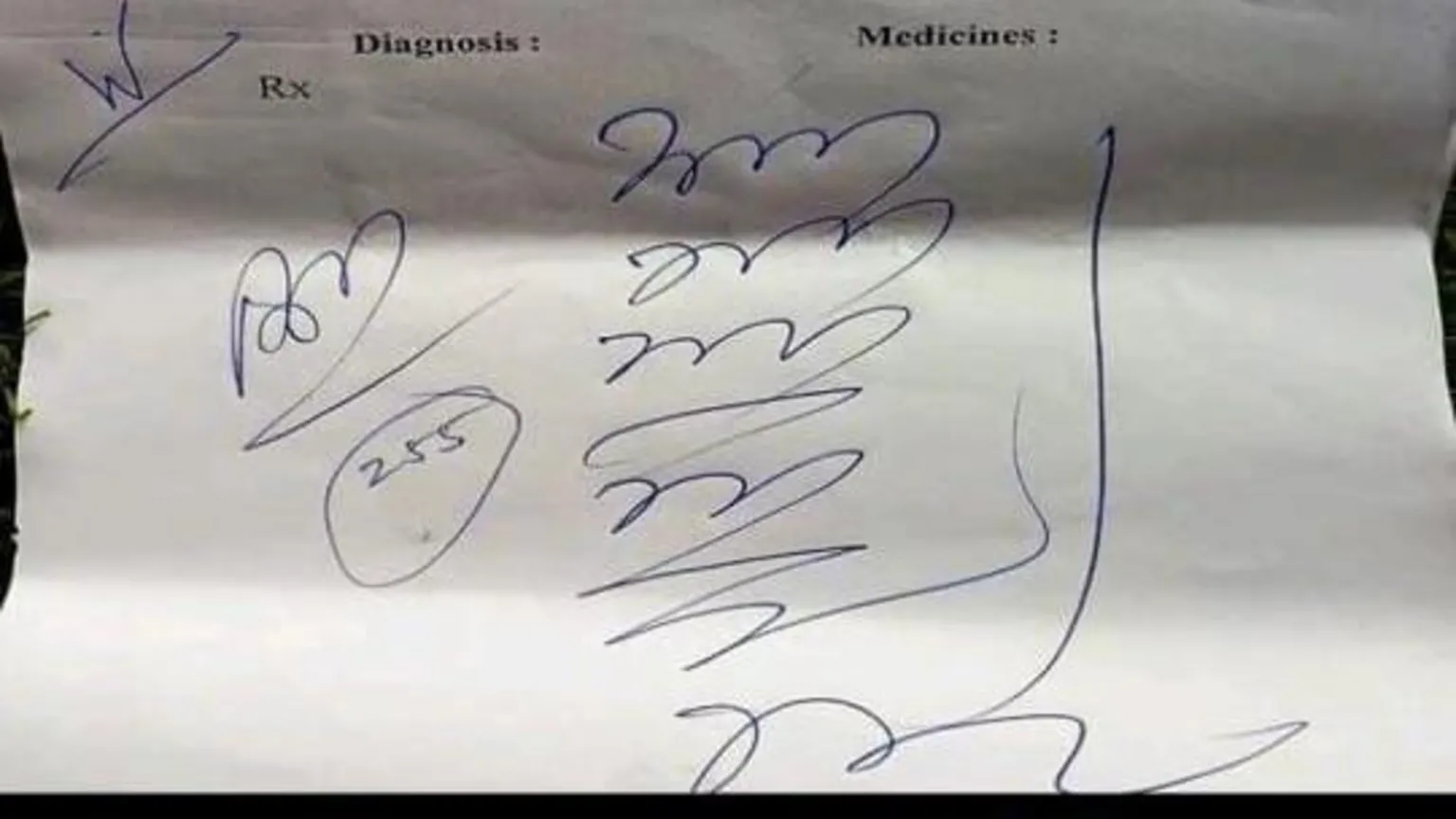
An Indian court has ruled that doctors must write prescriptions clearly, calling illegible handwriting a threat to patients’ safety.
The Punjab and Haryana High Court delivered the order after Justice Jasgurpreet Singh Puri examined a medico-legal report in a rape and fraud case. The report, written by a government doctor, was so unclear that the judge said “not even a word or a letter was legible.”
Justice Puri described legible prescriptions as a “fundamental right” for patients, stressing that poor handwriting could mean the difference between life and death. He noted that while technology is readily available, government doctors continue to rely on unreadable handwritten notes.
- VIDEO: Woman Claiming to Be Chris Okafor’s Former Wife Makes Explosive Allegations
- I will not be vice-president to anybody ~ Peter Obi
- Israel recognises Somaliland as sovereign state
- 70-year-old Indian woman gives birth to her first child
- Ghanaian Prophet, Eboh Noah, Builds 8 Arks, Reveals God Has Warned Him That The World Will End On Christmas Day ~ Not By Fire, But By Another Global Flood.
- VIDEO: Pregnant wife bursts into tears as husband refuses to go beg neighbour Jollof rice
The court has directed the government to digitise prescriptions within two years and, in the meantime, instructed all doctors to write in clear block letters. It also recommended adding handwriting lessons to medical training.
The Indian Medical Association, which represents more than 330,000 doctors, welcomed the ruling and said it would support efforts to improve prescription clarity. However, it noted that heavy workloads, particularly in overcrowded public hospitals, make neat handwriting difficult.
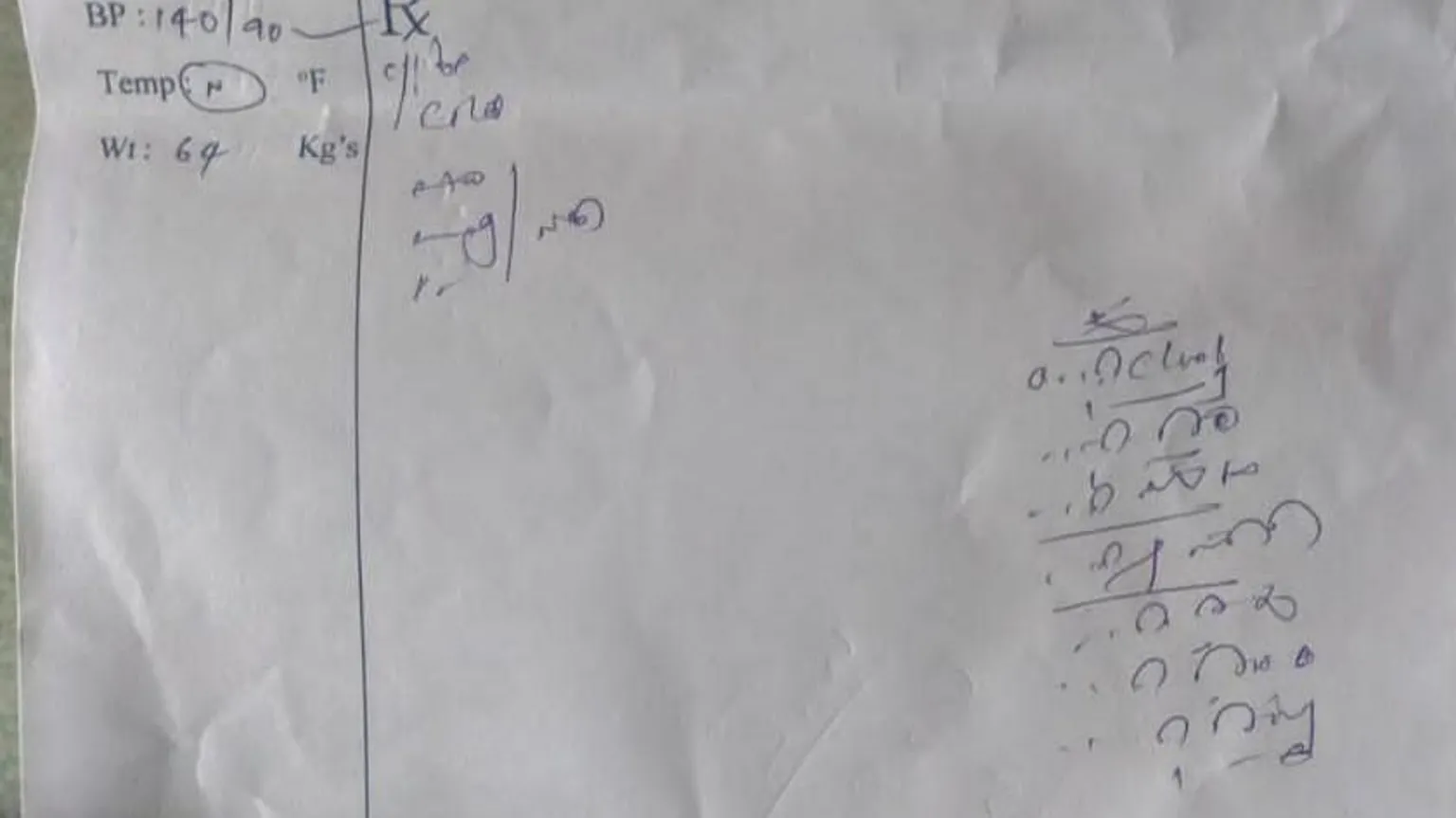
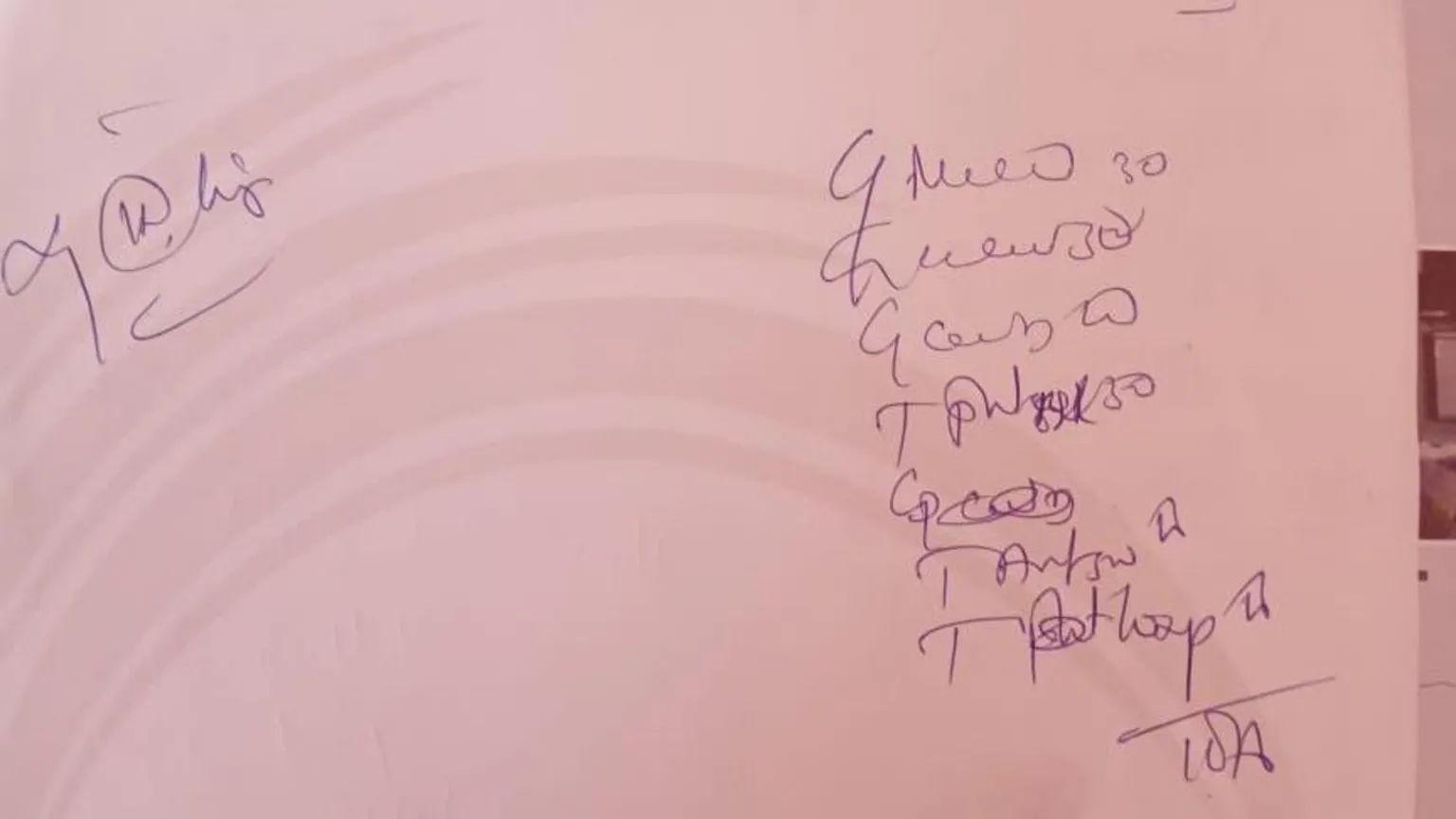
This is not the first time Indian courts have raised concerns. Judges in Odisha and Allahabad have previously criticised the “zigzag” and “shabby” writing of doctors. Globally, sloppy handwriting has been linked to medical errors, including thousands of preventable deaths in the United States.
Although electronic prescribing is growing in India’s cities, handwritten prescriptions remain common in rural areas, often leaving pharmacists to interpret unclear instructions. Health experts warn that until reforms take full effect, patients will remain at risk from dangerous mistakes caused by misread prescriptions.