

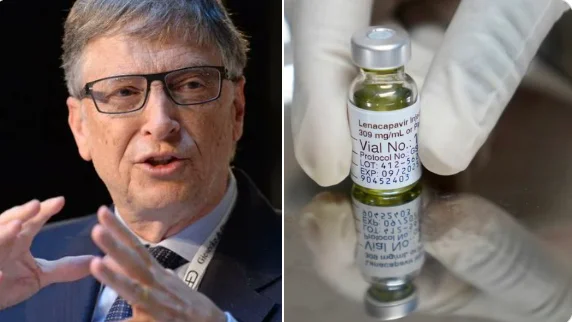
Nigeria has secured concessional access to lenacapavir, a two-dose-a-year injectable treatment that offers up to six months of protection against HIV infection.
In a major breakthrough for global public health and the fight against HIV/AIDS, the Bill & Melinda Gates Foundation initially announced a partnership with an Indian pharmaceutical company to manufacture a low-cost HIV prevention shot.
The agreement, announced by molecular geneticist and health researcher Dr. Ifey Aniebo Rhodes-Vivour on X, was achieved through a partnership involving UNITAID, the Clinton Health Access Initiative (CHAI), Dr. Reddy’s Laboratories, and Wits RHI.
- VIDEO: Woman Claiming to Be Chris Okafor’s Former Wife Makes Explosive Allegations
- I will not be vice-president to anybody ~ Peter Obi
- Israel recognises Somaliland as sovereign state
- 70-year-old Indian woman gives birth to her first child
- Ghanaian Prophet, Eboh Noah, Builds 8 Arks, Reveals God Has Warned Him That The World Will End On Christmas Day ~ Not By Fire, But By Another Global Flood.
- VIDEO: Pregnant wife bursts into tears as husband refuses to go beg neighbour Jollof rice
According to Dr. Aniebo, the medicine will cost Nigerians approximately $40 (about ₦60,000) per person annually, a steep reduction from prior prices estimated at $28,000 (about ₦41.9 million). She described the development as “groundbreaking,” noting that lenacapavir has shown up to 100 percent effectiveness in preventing new HIV infections.

Lenacapavir works by maintaining consistent medication levels in the blood between doses, easing the burden of daily pills and improving adherence for those managing or preventing HIV.
The collaboration also benefits from funding and support from major global health actors including the Global Fund to Fight AIDS, Tuberculosis and Malaria, the U.S. President’s Emergency Plan for AIDS Relief (PEPFAR), the Gates Foundation, the Children’s Investment Fund Foundation (CIFF), and UNITAID.
Nigeria’s move to gain access to lenacapavir marks an important step in the fight against HIV, especially in low- and middle-income countries where daily drug regimens pose challenges to adherence and privacy.