


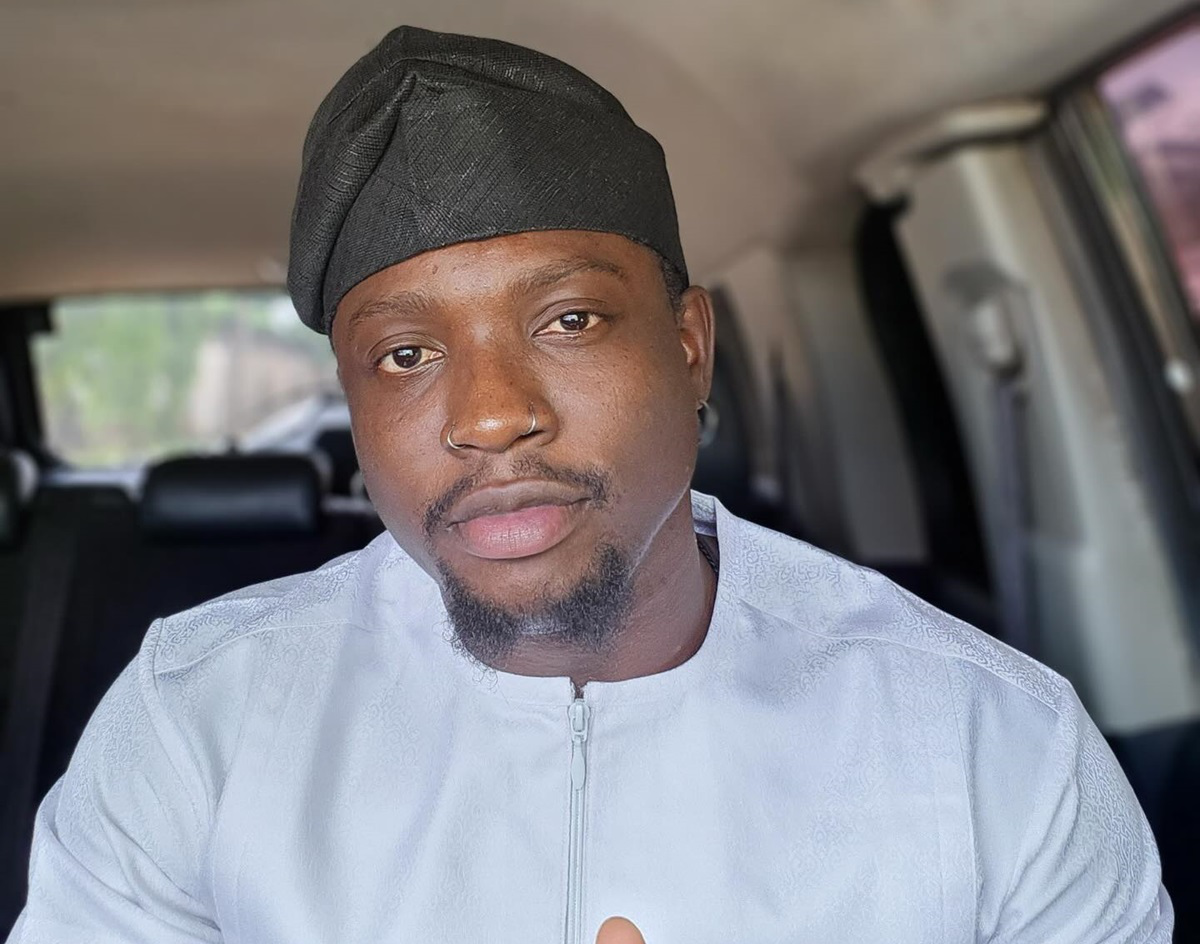
In a fresh update that has caught the attention of netizens and critics alike, social media activist VeryDarkMan — popularly known as VDM — has declared that he has recovered the ₦3 million he alleged was fraudulently taken by a borehole company.
VDM had earlier accused the drilling outfit, identified as DESCO Drilling Engineering Construction Limited (DESCO), of taking the money for a borehole project and failing to deliver. According to him, after paying upfront, the company “stopped answering calls,” and no borehole was drilled.
In his latest statement, VDM disclosed that the money was refunded — not by DESCO directly — but by a figure he named as Jubrin Ndagi Baba (sometimes referenced simply as “Hon. Jibrin”). VDM didn’t elaborate fully on how the refund was processed, but confirmed that the ₦3 million has been returned.
Supporters of VDM are lauding the outcome as a small victory for accountability and social-media-led justice. They view the refund as evidence that public pressure can force accountability — especially when powerful individuals or companies are involved. This ties into what some media watchers say is VDM’s established “online detective” model: name a culprit, demand repayment or public exposure, and watch pressure mount until there’s a resolution.
Despite the refund, there remain unanswered questions. For one, it’s unclear why the money was refunded — whether out of remorse, fear of reputational damage, or due to legal pressure. VDM has, in the past, admitted to using dramatic claims to “teach Nigerians a lesson,” such as when he retracted a previous ₦180 million theft allegation, saying it was staged to highlight media gullibility.
Additionally, some critics remain skeptical about VDM’s motives and the legitimacy of the initial contract for the borehole project. A few social media users have previously accused him of misusing NGO funds altogether.
Borehole drilling, especially across Nigeria, has faced recurring issues: substandard workmanship, upfront payments without due oversight, and lack of follow-through. Experts have warned that indiscriminate drilling — without proper geological or technical studies — can lead to failed boreholes, unsafe water, or wasted funds.
These factors help explain why cases like VDM’s resonate widely. For many Nigerians, borehole drilling is not a luxury but a necessity — a substitute for unreliable municipal water supply. When thousands are spent and nothing delivered, it’s no surprise people demand accountability.
VDM has said he will only consider deleting the “call-out video” if the refunded amount comes with delivery of the promised borehole — meaning the community still expects actual drilling to be done for free.
For now, the ₦3 million refund brings a temporary end to the financial dispute. But whether this translates into a functioning borehole — or simply a refund without delivery — remains to be seen. More importantly, the episode has put a spotlight on the risks Nigerians take when engaging drilling companies — especially those lacking visibility and oversight.